











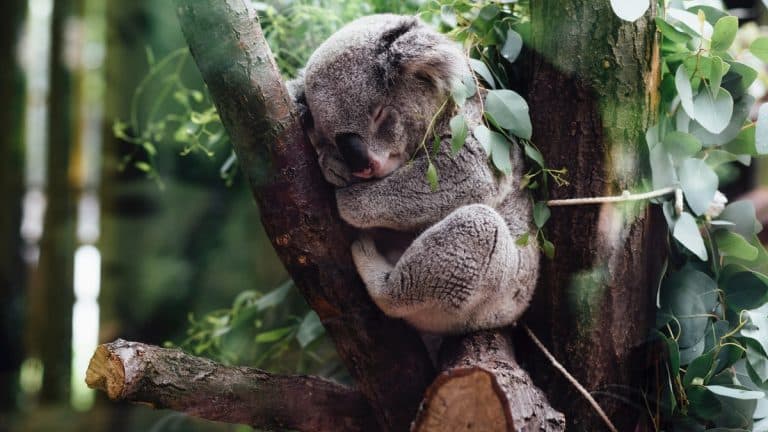
Australia is a land of extremes – sometimes with temperatures over 40 degrees! The climate can sometimes be extreme, with significant floods or devastating fires. These conditions affect humans, nature and sometimes even koalas – Australia’s cutest animals. Here is what can happen when weather conditions become intense on the mainland. Following heatwaves or fires, koalas have found themselves thirsty. Discover their amazing stories…
Table of Contents
Where to see Koalas in Australia?
Koalas were once widespread across the entire Australian territory. Long hunted for their fur, they have disappeared from some regions of the country.

Today, the largest populations are found along the east coast (QLD, NSW, and Victoria). They are mainly found in coastal regions extending from northern QLD to west of Adelaide (South Australia). The size of koala populations is linked to the density of eucalyptus species, which are necessary for their diet.
Source : IUCN Red List of Threatened Species
In Victoria, you can observe them along the Great Ocean Road (Kennett River, Otway Park). To see them in South Australia, the best options are the Hills or Kangaroo Island. In NSW, Port Macquarie or Port Stephens are the best places to encounter them. Finally, in Queensland, Noosa National Park or Magnetic Island are good locations.
🐨 Want to see koalas up close?
At Lone Pine Koala Sanctuary near Brisbane — the world’s oldest and largest — you can meet koalas, hand-feed kangaroos and see other native wildlife, all while supporting their conservation.
Book your Lone Pine day pass →🚐 Cheap Campervan Rental
All our tips & tricks for renting a cheap campervan in Australia! Practical hacks, online comparison sites, promo codes, and more.
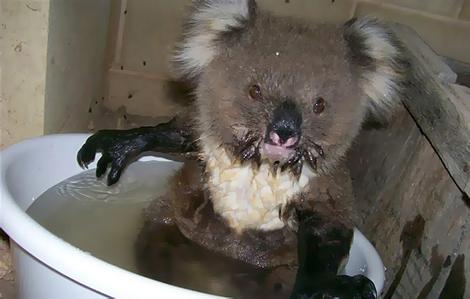
Story of Joey – The abandoned Baby Koala
Joey is a cute little baby koala who was found trembling, in critical condition on the veranda of an Australian family. He was abandoned by his mother and got disoriented by the extreme heat. These extreme weather conditions forced Joey – the little baby koala – to climb down from his tree to find some freshness on the family’s veranda. And to let you know…koalas usually don’t have to drink water – cause they hydrate naturally by eating eucalyptus leaves…
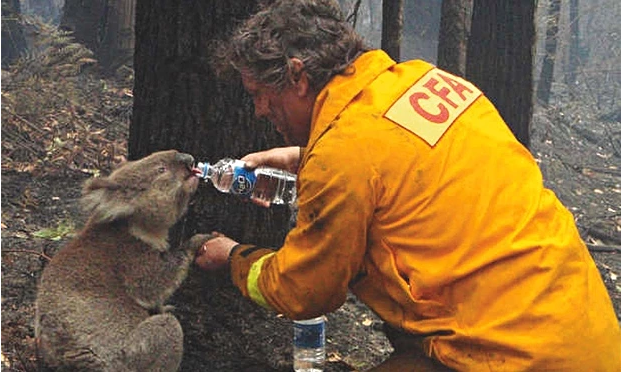
The thirsty Koala helped by the Firefighter
This story is one of the most famous koala stories in Australia! Sam – who owes his nickname to the firefighter David Tree – is a koala who was found wounded in the midst of ashes. After the region of Mirboo North had to face some serious fires, Sam the koala was saved by David the firefighter. David immediately brought him relief by making him drink out of his water bottle. These images spread the world…
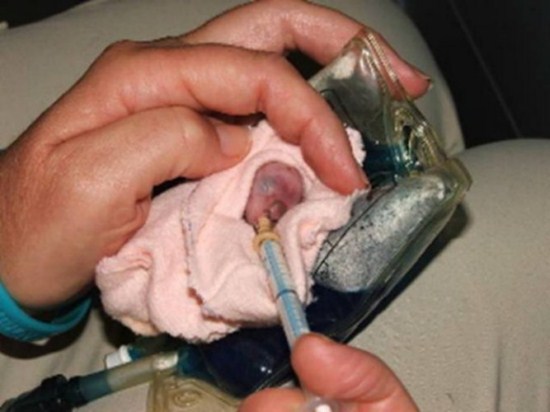
The Twin Koalas
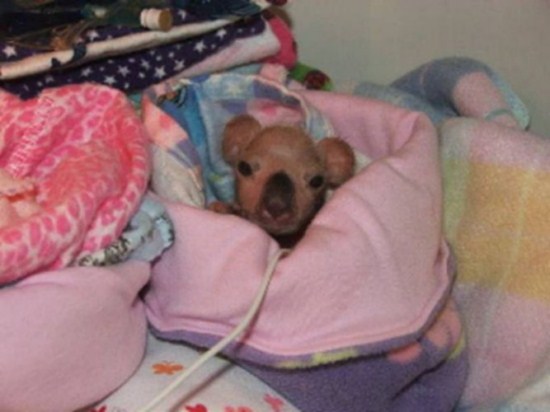
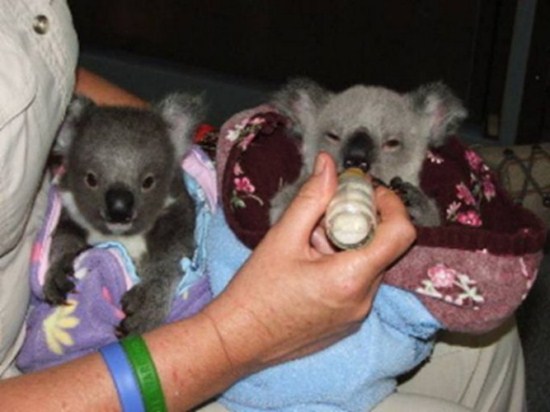
These two twin koalas were found in their mother’s pocket after she got killed by a motorist. Fortunately the driver stopped and brought the pets to the local vet. Miraculously both twins survived. See how they grew up…
A Koala that Enjoys the A/C
Near Adelaide, a koala wanted to cool off. It entered the car of a local to enjoy the air conditioning! Amazing meeting !!
A Koala rescued from a Cave during Floods
A very lucky Koala was rescued from a cave on the Glenelg River by kayakers following floods in the country in 2022. He was then brought to Werribee Open Range Zoo Vet Hospital for treatment and recovery. After five days of rest and plenty of gum leaves he was released by his rescuer back to the wild near to where he was found.
Highway Cut-off: Bluey the Koala
In South Australia, in 2025, a curious koala named Bluey wandered into the Heysen Tunnel, prompting the temporary closure of one freeway lane. Bluey was safely rescued by Koala Rescue teams and taken for veterinary assessment.
Koalas Current Situation
The future of Koalas threatened
Since February 2022, koalas in Queensland, New South Wales and the ACT have been officially listed as endangered under Australia’s national environment law, a status driven by habitat loss, disease, bushfires and drought.
The loss of their natural habitat is one of the biggest threats to koalas. Deforestation and urbanization are destroying the country’s eucalyptus forests, which provide food and habitat for koalas. Dog attacks and car accidents are also causing a decline in the country’s koala population. In recent years, the effects of climate change, including droughts and bushfires, have led some local populations of NSW koalas to near extinction.
Koalas following the bushfires of 2020 and floods in 2021/22
In recent years, the mega-fires in Australia, linked to climate change, have further accelerated the decline of the species. 60,000 koalas were killed or injured during the fires of 2019/2020. The recent floods also affected the population of koalas.
From millions a century ago to a fraction of that today, with recent estimates ranging widely depending on the counting method.
New Koala Population Found Near Newcastle (2025)
Thanks to local Indigenous knowledge, over 290 koalas were discovered in NSW’s Sugarloaf State Conservation Area—previously unknown to scientists. It underscores the vital role of traditional insight in conservation.
Mind-Blowing Koala Facts
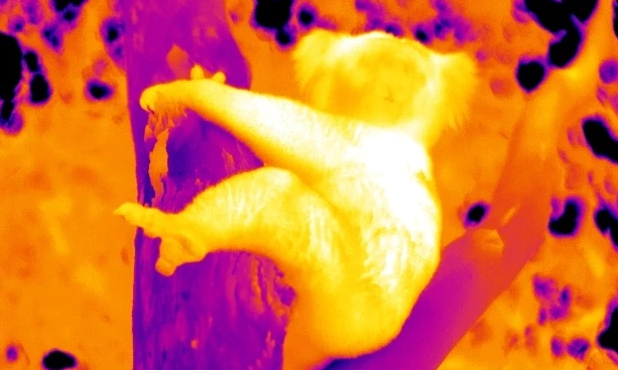
Did you know that koalas hug trees when it’s really hot to cool down? Researches have discovered that they hug trees to use the dramatically lower temperatures inside the trees! The color difference in this thermal picture shows how much cooler the tree is…
Less than 1% of their lives is spent on the ground: koalas are arboreal specialists, descending only 10 minutes per day to move between trees—the time when most deaths occur.
Koala Immune-Deficiency Syndrome (KIDS) affects northern populations, linked to a retrovirus that compromises immunity. It highlights the complex health challenges they face.
Habitat transformation in action: In just two years, Bangalow area partners planted 1,630 koala food trees, turning a bare slope into a thriving koala sanctuary.
Georges River Koala National Park (Warranmadhaa) has secured 962 ha of protected land, creating a vital corridor for koalas amid urban expansion.
Plan your Working Holiday in Australia 📖 Free eBook

Plan your trip in Australia with this free 60-page ebook written by former backpackers who have traveled the length and breadth of Australia.
Inside, you’ll discover everything you need to plan your journey. This ebook will guides you through the entire process, from applying for your visa to booking your flights and understanding the administrative procedures upon arrival.
With detailed insights and practical advice, you’ll navigate each step of your journey with ease. So, get ready to embark on your Australian adventure fully equipped and informed!
Koala FAQ
Where can I see koalas in the wild in Australia?
The best wild-spotting places are Kennett River on the Great Ocean Road (VIC), Kangaroo Island and the Adelaide Hills (SA), Port Macquarie and Port Stephens (NSW), and Magnetic Island (QLD). For a guaranteed sighting, visit a sanctuary like Lone Pine (Brisbane) or Cleland (Adelaide).
Can you hold a koala in Australia?
It depends on the state. Queensland and South Australia allow supervised koala holding at licensed sanctuaries (e.g. Lone Pine, Cleland). In New South Wales and Victoria it’s not permitted — you can get close for a photo, but not hold them.
Are koalas bears?
No — koalas aren’t bears. They’re marsupials, like kangaroos and wombats, and carry their young in a pouch. “Koala bear” is a common but incorrect nickname.
Why do koalas sleep so much?
Koalas sleep up to 18–20 hours a day. Eucalyptus leaves are low in energy and toxic, so koalas conserve energy by resting and digesting slowly.
Do koalas drink water?
Usually not — they get most of their moisture from eucalyptus leaves (the word “koala” is thought to mean “no drink”). But in heatwaves and droughts they do seek water, which is exactly why the rescue stories in this article happen.
Are koalas dangerous?
No, but they’re wild animals with sharp claws and teeth. Never chase or corner one — admire them from a distance unless you’re at a licensed sanctuary.