














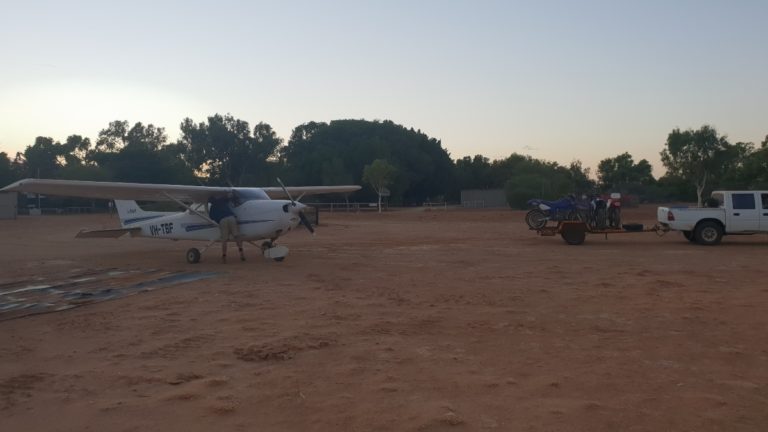
Australia’s Outback, with its vast landscapes and unique experiences, offers a wealth of job opportunities for backpackers looking to fund their travels and immerse themselves in the country’s rugged interior. From cattle mustering to tour guiding, the Outback provides a diverse range of work that allows travelers to explore the heart of Australia while earning money.
Table of Contents
Two things to sort before you go bush
Most Outback work counts towards your second visa but only if it’s paid and documented. Station work, farm labouring, construction and mining in a designated regional area all qualify as specified work. Hospitality and tour guiding only count in northern Australia and certain remote areas, a pub job in Alice Springs isn’t automatically eligible just because it feels remote.
Keep your payslips from day one. Without them you cannot prove your 88 days, no matter how much work you actually did. Cash in hand with no paperwork means a season that counts for nothing. Also keep your bank statements, your contract and the employer’s ABN, Home Affairs can ask for all of it.
And check your insurance covers manual work. Station and construction jobs are physical, the nearest hospital is often hours away, and plenty of standard travel policies exclude manual labour outright. Our Working Holiday insurance guide covers what to look for.
Station Hand / Stockman (Cattle & Sheep Stations)
Cattle station Hand
Working as station hand is without a doubt the ultimate Outback job in Australia! It is a must for anyone who is looking for an adventure Down Under. This is your chance to get out of the city and to get to know the real Australia. This job is physically demanding but offers an authentic Outback experience.
Depending on your skills you are going to help with general maintenance tasks such as fencing. You might help with feeding cattle. Also, making sure there is enough water for all the livestock, assisting with vaccinations and lots more. Ideally, you have experience riding a motor bike or quad bike and occasionally you could end up riding horses or even fly in a helicopter. However, please be honest about your experience. These jobs can be quite dangerous and often the closest hospital is far away.
Requirements: Physical fitness, ability to ride horses or operate quad bikes, and basic farm skills.
Benefits: Accommodation and meals often provided, hands-on experience, and a chance to learn about Australian farming practices.
Farm Laborer
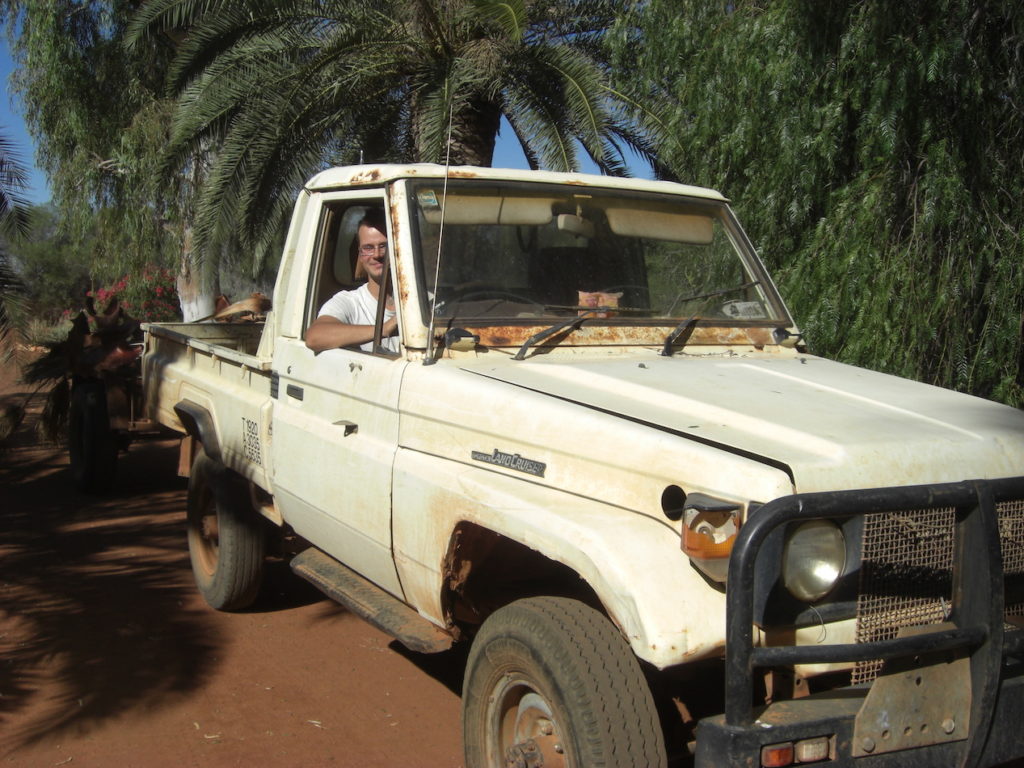
Farm laborers are needed for tasks such as planting, harvesting, and general maintenance on crop farms. This work is seasonal and varies depending on the type of farm and the time of year.
Requirements: Basic physical fitness and a willingness to perform manual labor.
Benefits: Seasonal work opportunities, potential for earning good money during peak seasons, and accommodation often provided.
Roadhouse All-Rounder
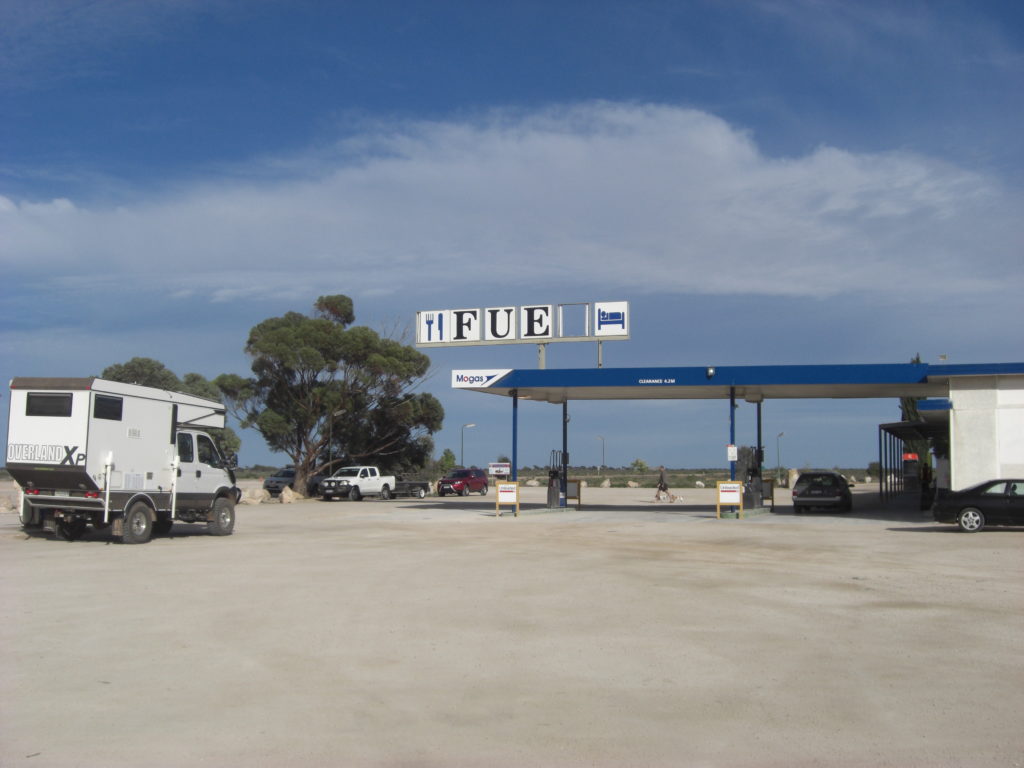
In lots of places in Australia the next town or city is far away. Like, really far away sometimes. And in between you will often find roadhouses to make sure that people don’t run out of fuel along the way and so that they can have a break.
There is always work for people in roadhouses. You will live there or close by and often be an all-rounder working the till and serving customers, helping in the kitchen etc. You may also do some housekeeping if the roadhouse provides accommodation.
Requirements: Versatile skill set to handle various tasks such as customer service, cooking, cleaning, and basic maintenance. Ability to work in a remote location and adapt to a range of duties.
Benefits: Accommodation and meals often provided, reducing living expenses. Varied and dynamic work environment with different tasks each day.
Typical pay: Casual rates around AUD 30.10/hr (wait staff), AUD 30.91/hr (retail), plus internationally, rates may reach $33–45/hr for live-in roles.
To know more, check Lily’s experience : Work in a Road House – An Outback Experience
Construction, Trades & Mechanic Work
With many outback towns expanding and developing, there are often job opportunities in construction. These jobs can include carpentry, plumbing, and electrical work. The industry is regulated and you will need to get your White Card to be able to work in construction.
Often needed in remote mining towns and stations. Pay varies based on trade skills and location.
👷 Get your White Card in Australia (with discounts)
Take advantage of special offers to obtain the white card and work in the construction industry.
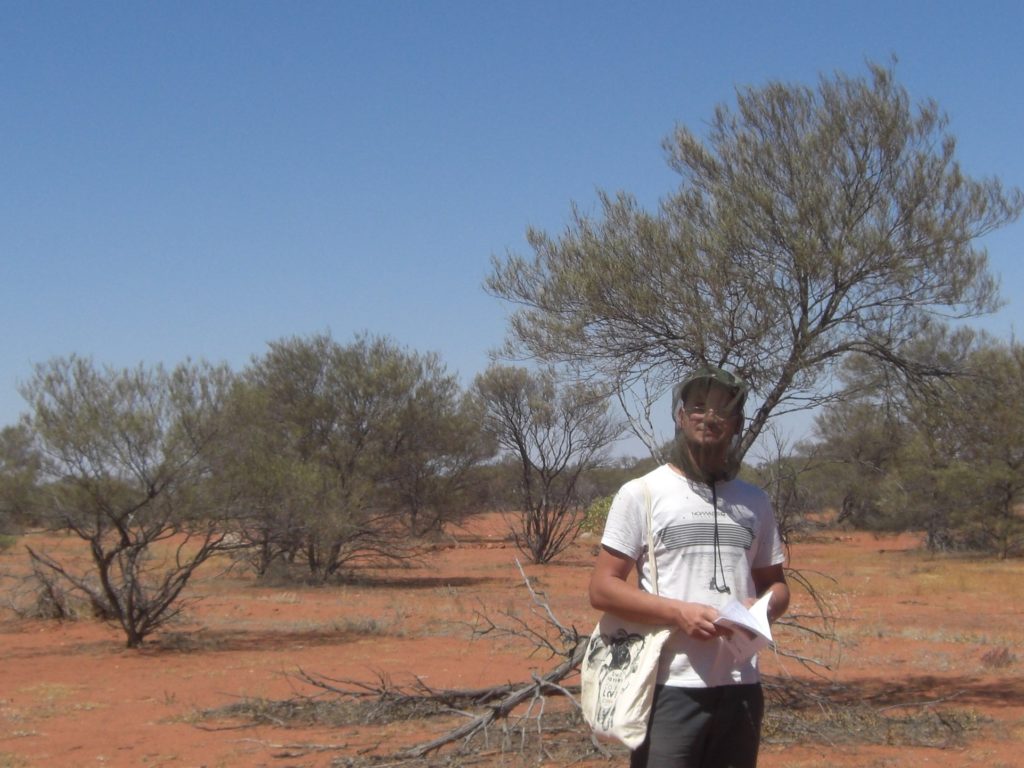
If you are physically fit and you know how to use a few basic tools you can score a construction job in the Outback as well. Whether this might be helping with tank building, assisting to grade new roads (yes, sometimes they build their own roads) or general maintenance around the cattle station. Just like with farm jobs as well, there is always work. You never run out of projects.
Requirements: Relevant qualifications or experience, ability to work in remote locations, and physical fitness.
Benefits: Good pay, varied work, and provided accommodation.
Hospitality Jobs
Outback Pub Worker
No matter how small the town is and how remote it is there is one thing you can bet on. There will be a pub. And these pubs are always on the lookout for people working there. Serving food and cool drinks to customers who are one of a kind in the Outback and having a chat with them is a great way to experience rural Australia. Working in an Outback pub is a great way to meet locals and fellow travelers. Duties can include bartending, serving food, housekeeping, and general maintenance.
Requirements: Customer service skills, ability to work in a remote location, and an RSA (Responsible Service of Alcohol) certificate.
Benefits: Interaction with a diverse range of people, accommodation usually included, and a fun work environment.
Resort and Lodge Staff
Outback resorts and lodges often hire staff for various roles such as reception, housekeeping, kitchen staff, and activity coordinators.
Requirements: Previous hospitality experience, strong customer service skills, and the ability to live and work in a remote area.
Benefits: Access to resort facilities, accommodation and meals provided, and opportunities to explore the local area.
In any case, you will need to get your RSA (Responsible Service of Alcohol) if you intend to work in an establishment where alcohol is served.
🍹 Get your RSA in Australia (with special discounts!)
Pay less for your RSA course (Responsible Service of Alcohol). With this certificate, you are allowed to work in all places where alcohol is served or sold.
Other hospitality jobs
Especially chefs are often in demand and you can work at a homestead to prepare food for guests who are on an adventurous holiday. Or you can do housekeeping and keep the rooms and the campground tidy. You could find yourself working as a receptionist, handle bookings and make sure that all guests are happy. Maybe you can show off your barista skills or mix some drinks at the bar and chat to customers after a long day or even do a little bit of everything.
Anywhere where there are tourists in the Outback, there are places for them to have some food or stay and spend the night. And with that come all your typical hospitality jobs. Often you will be required to do a few more things than what you initially signed up for which can be great fun. A can-do attitude is a must in the Outback.
Adventure and Tour Guiding
Ever dreamed of driving around the red dusty Outback and sharing your newfound local knowledge with some visitors? This is possible in Australia. It might be harder to find a job where you will exclusively show tourists around and go on day trips with them. There is often a chance that this might become part of your job although you initially started to work something else.
A place where the chef or the guy behind the checkout counter is also working as a tour guide every now and then? Yes, all that is possible in remote places Down Under.
Requirements: Knowledge of the local area, strong communication skills, first aid certification, and a passion for the outdoors.
Benefits: Opportunity to share your passion for the Outback, interaction with tourists from around the world, and usually good pay and tips.
Tip: Popular around Uluru, Kakadu, etc.
Mining Camp Roles & FIFO Positions
The mining industry is a significant employer in Australia’s outback. Mining jobs in the outback can include heavy machinery operators, truck drivers, engineers, electricians, boilermakers, mechanics, and administrative and support roles. Some common entry-level positions in the mining industry include mining production operators, drillers, and blast crew.
Salaries for mining positions in the outback can vary widely depending on the role, level of experience, and location but overall are pretty interesting. Entry-level positions typically pay around $70,000 per year, while experienced tradespeople and professionals can earn way over $150,000 per year. Salaries for mining jobs also often include benefits such as housing, food, and transportation.
Working conditions in the mining industry can be challenging, particularly in remote locations in the outback. Workers are often required to work long shifts, including night shifts, and the work can be physically demanding. Safety is also a significant priority in the industry, and workers must follow strict protocols to prevent accidents and injuries.
Requirements: Relevant qualifications or experience, physical fitness, and the ability to work long shifts.
Benefits: High earning potential, accommodation and meals provided, and often extended periods of time off.
Perks: Free accommodation, meals, fitness facilities; high earnings with two weeks on/one week off rosters.
Conservation & Indigenous Ranger Programs
Wildlife Sanctuary Worker
Working at a wildlife sanctuary involves caring for animals, maintaining enclosures, and assisting with conservation projects.
Requirements: Passion for wildlife, relevant experience or qualifications, and the ability to work in a remote location.
Benefits: Hands-on experience with native animals, contribution to conservation efforts, and provided accommodation.
Environmental Conservationist
Jobs in environmental conservation can include tree planting, habitat restoration, and invasive species control.
Requirements: Interest in environmental conservation, physical fitness, and the ability to work in various weather conditions.
Benefits: Contribution to preserving Australia’s natural environment, varied and outdoor work, and sometimes provided accommodation.
What Outback jobs actually pay
Rates vary by award, employer and how remote you are, but these are realistic ranges for a backpacker on a casual contract in 2026.
| Role | Typical pay | Worth knowing |
|---|---|---|
| Station hand / stockman | AUD 33–40/hr or a weekly package |
Often paid as a weekly rate with board included. Check what’s deducted for food and accommodation — it must be reasonable and agreed in writing. |
| Farm labourer | AUD 32–35/hr | Horticulture Award casual rate. If you’re on piece rates, you’re still guaranteed at least the hourly minimum. |
| Roadhouse all-rounder | AUD 33–38/hr | Penalty rates apply on weekends and public holidays — often the difference between an average and a very good month. |
| Outback pub / hospitality | AUD 33–38/hr | RSA required. Tips are rare in Australia — don’t budget for them. |
| Construction labourer | AUD 35–45/hr | White Card mandatory. Remote-site allowances can push this higher. |
| Mining camp support kitchen, cleaning, utility |
AUD 38–50/hr | The realistic entry point into mining without a trade. Food and accommodation provided, so your savings rate is very high. |
| Mining, entry-level operator | AUD 70–100k/yr | Requires tickets and usually prior experience. Hard to land on a WHV, but not impossible. |
| Tour guide | AUD 33–40/hr | First aid certificate expected. Often combined with another role rather than a job on its own. |
Casual rates including loading, checked August 2026. Rates are set by industry awards and updated every 1 July — always check the current figure on fairwork.gov.au before accepting a job.
The real advantage isn’t the hourly rate — it’s what you don’t spend. On a station or in a mining camp, accommodation and meals are usually covered and there’s nowhere to spend money anyway. Backpackers routinely save more on AUD 35 an hour in the Outback than on AUD 40 in Sydney. That’s the whole point of going bush.
🚐 Cheap Campervan Rental
All our tips & tricks for renting a cheap campervan in Australia! Practical hacks, online comparison sites, promo codes, and more.
Conservation work
Wildlife sanctuary worker
Sanctuary work involves caring for animals, maintaining enclosures and helping with conservation projects. Many of these roles are volunteer or low-paid rather than proper wages — worth knowing before you commit, especially since unpaid work does not count towards your 88 days.
Requirements: genuine interest in wildlife, relevant experience for hands-on roles, and the ability to live remotely.
Benefits: close contact with native species, a real contribution to conservation, accommodation often provided.
Environmental conservation
Tree planting, habitat restoration and invasive species control — often through organisations like Conservation Volunteers Australia. Again, much of this is volunteer-based.
Requirements: physical fitness and tolerance for working in all weather.
Benefits: outdoor work with a purpose, and a good way to see parts of the country tourists never reach.
Where to actually find these jobs
Outback hiring works differently from city hiring. Most of these jobs never appear on a job board — they’re filled by whoever happens to be standing in front of the manager when someone quits. Which is good news: persistence beats a polished CV out here.
Start with the specialist channels
- Our farm and harvest map: direct contacts for farms across the country, sorted by region and season. If you’re chasing station or farm work, start here rather than on a generic job board.
- Harvest Trail: the government’s seasonal work service, with a free hotline (1800 062 332) that will tell you what’s picking where, right now. Underused by backpackers and genuinely useful.
- Regional Facebook groups: this is where most Outback jobs are posted in 2026. Search for your target region plus “jobs” or “backpackers”: Backpacker Jobs in Australia, Farm Work Australia, and the town-specific groups (Kununurra, Katherine, Mount Isa, Broome all have active ones). Post what you’re looking for, when you’re available and whether you have a vehicle — people do reply.
- Station and pastoral companies direct: the big operators recruit continuously and often prefer direct applications: AACo, NAPCO, S. Kidman & Co, Consolidated Pastoral Company. Send a short email with your availability and any relevant tickets, even if nothing is advertised.
- Agricultural recruiters: AgWorkforce, MADEC and Agri Labour Australia place seasonal staff and will keep you on file.
The general job boards still work
- Seek and Indeed: best for anything structured: mining camp roles, resort jobs, trades. Set up alerts with the town name rather than “Outback”.
- Gumtree: still where a lot of small roadhouse and station ads land. Filter by region and check daily, because the good ones go within hours.
- Jora: aggregates several boards at once and catches listings the others miss.
- Mining People and iMINCO: worth a look for mining specifically, though most entry-level camp work is filled through catering contractors like Sodexo and Compass Group rather than the mines themselves.
And then there’s the method that actually works best
Turn up. Seriously. Outback employers hire the person who is already there, because getting someone to a station 400 km from the nearest town is the hard part of the job.
- Call, don’t email. Roadhouses and stations answer the phone. Many won’t reply to an email for a week. Ring mid-morning, be brief, say when you can start.
- Talk to people in town. The pub, the IGA, the caravan park office, someone always knows who’s short-staffed. This isn’t a cute travel-blog cliché; it’s how a large share of these jobs get filled.
- Check the noticeboards. Every Outback pub, roadhouse and caravan park has one, and the ads on it never make it online.
- Time it right. Stations recruit heavily before the dry season muster (March–May). Roadhouses and tourism staff up ahead of the winter travel peak (May–August). Turning up two weeks before everyone else is worth more than any application.
Having your own vehicle changes everything. It’s the single biggest advantage in Outback hiring, you can reach places nobody else can get to, and employers know you won’t need collecting from a bus stop 300 km away. If you don’t have one yet, our guides to buying a vehicle and renting a cheap campervan will get you sorted.
Two warnings before you accept anything
Never pay to get a job. Any “agency” charging you a placement fee, a registration fee or a bond for accommodation is not legitimate. Legitimate recruiters are paid by the employer.
Get the terms in writing before you drive 600 km. Hourly rate, hours per week, what’s deducted for food and board, and whether you’re casual or on a weekly package. Verbal promises made over the phone have a habit of shrinking on arrival, and once you’re on a remote station without transport, walking away is genuinely difficult. If anything feels off, the Fair Work Ombudsman is the place to go — and using it doesn’t affect your visa.
📘 Download our Complete Guide to Work in Australia
Best jobs in cities and on farms · certificates and training requirements · visa options for residency · farm and mining contact listings. Free, no catch.
Original article by Phillip S.