















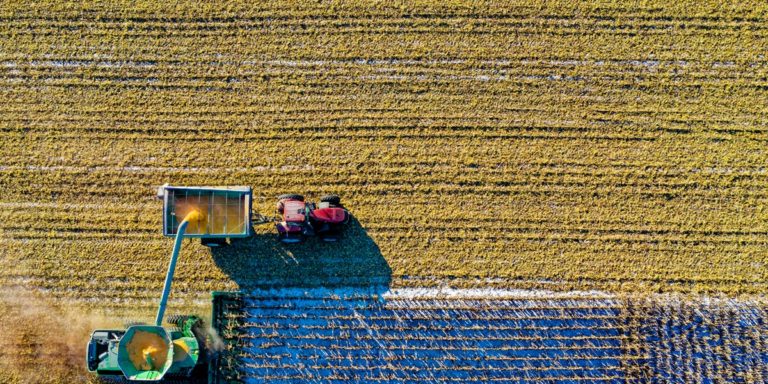
If you wish to renew your Working Holiday Visa for a second year in Australia, you must work for a minimum of three months – or 88 days – in a specific job position during your first year. To renew your visa for a third year, you will need to do 179 days (6 months) in a specific job position in an eligible region. Other conditions are also required for the renewal. In this article, we provide you with a list of the jobs eligible for a second year and third year visa.
⚠️ Following the Australia – UK FTD, UK passport holders are now exempted to work in specified jobs and areas to renew their WHV.
In Summary, to renew your WHV, you can :
- Work in agriculture, construction, mining in regional Australia
- Work in tourism and hospitality in northern or remote and very remote Australia
- Do bushfire and Natural disaster recovery work in declared affected areas only
- Work in the healthcare and medical sectors (COVID-19 critical work) anywhere in Australia.
Table of Contents
Eligible jobs in regional Australia
In order to be sure you’ll qualify, here is the list of all the jobs eligible to renew. This list is valid for a second and third year. It was extracted from the Australian government website (www.homeaffairs.gov.au). To be eligible, these jobs must be done in regional areas (i.e. where the postcode is eligible).
Plant and animal cultivation
Plant and animal cultivation refers to work involving the harvesting, sorting, packing or processing of agricultural products. This includes fruit and vegetable picking, packing and grading, as well as the immediate processing of animal products such as shearing, butchery, packing or tanning.
It may also cover pruning and trimming vines or trees when these tasks are directly linked to commercial crop production, such as fruit or nut farming. To be considered valid, these activities must form your main job role.
⚠️ Please note that general gardening or landscaping work does not qualify and is not considered eligible agricultural employment.
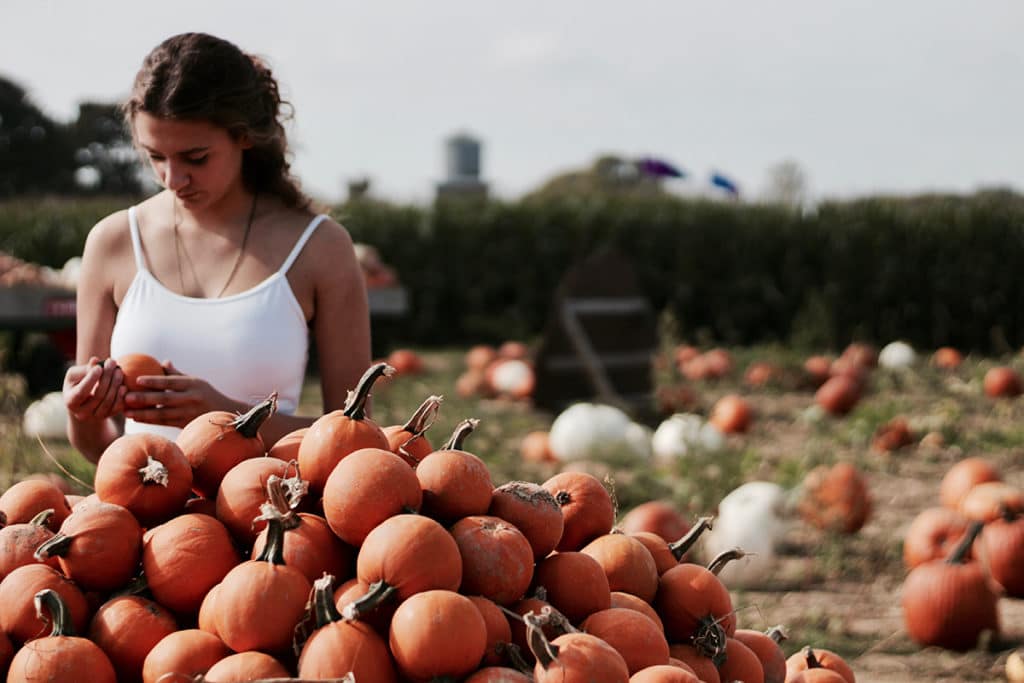
Examples of eligible specified work in plant and animal cultivation include:
- picking fruits on an orchard
- cultivating or propagating plants, fungi or their products or parts
- immediate processing of plant products
- manufacturing dairy produce from raw material
- horse breeding and stud farming
- maintaining animals for the purpose of selling them or their bodily produce, including natural increase
- feeding and herding cattle on a farm
- conservation and environmental reforestation work
- zoo work involving plant or animal cultivation
Examples of ineligible specified work :
- work as a nanny on a farm
- secondary processing or provision of plant and animal products, such as:
- wine-making, brewing and distillation
- manufacturing of smallgoods
- retail of dairy or butchery products
- giving wine tastings at a vineyard.
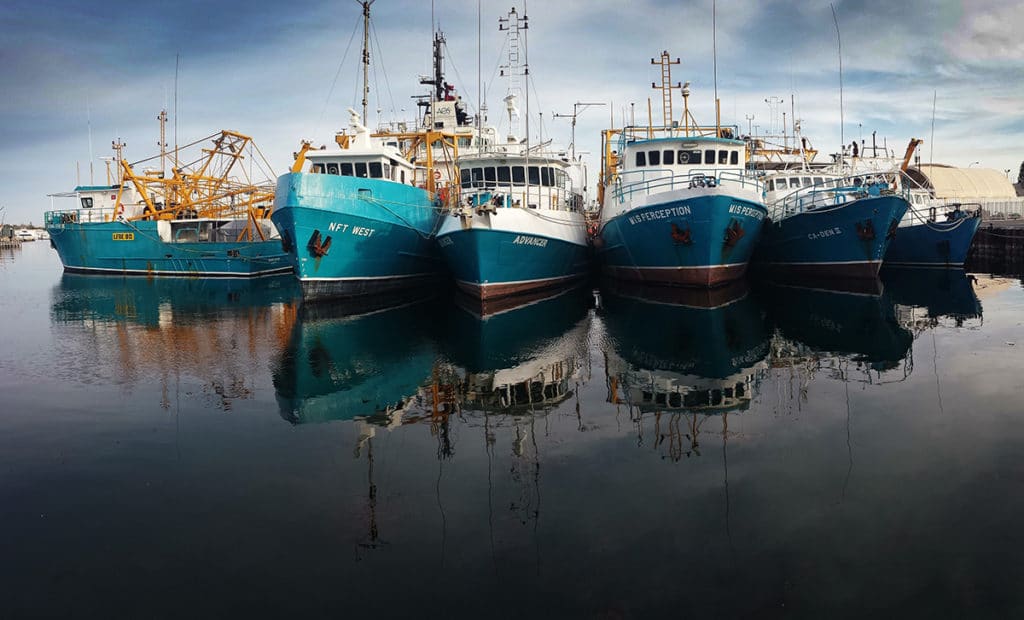
Fishing and pearling
- Conducting operations relating directly to taking or catching fish and other aquatic species;
- Conducting operations relating directly to taking or culturing pearls or pearl shell.
In northern Australia only for 462 visa holders.
Tree farming and felling
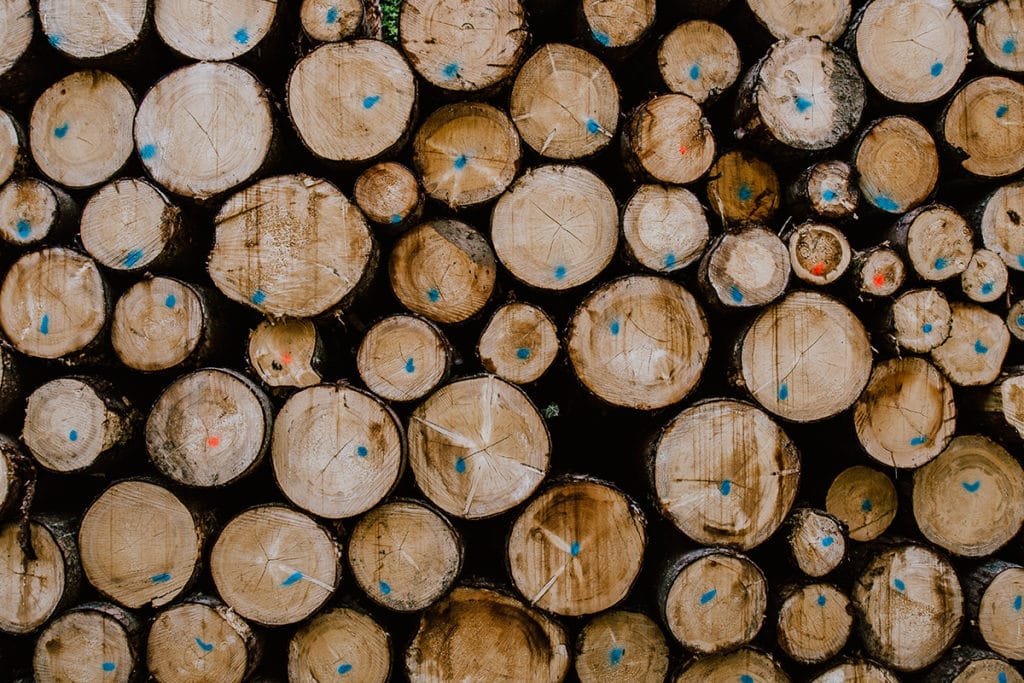
- Planting or tending trees in a plantation or forest that are intended to be felled;
- Felling trees in a plantation or forest;
- Transporting trees or parts of trees that were felled in a plantation or forest to the place where they are first to be milled or processed or from which they are to be transported to the place where they are to be milled or processed.
Work undertaken in the areas of plant and animal cultivation, fishing and pearling, and tree farming and felling must be described in the list above to meet the specified work requirement.
Mining (subclass 417 only)
- Coal mining;
- Oil and gas extraction;
- Metal ore mining;
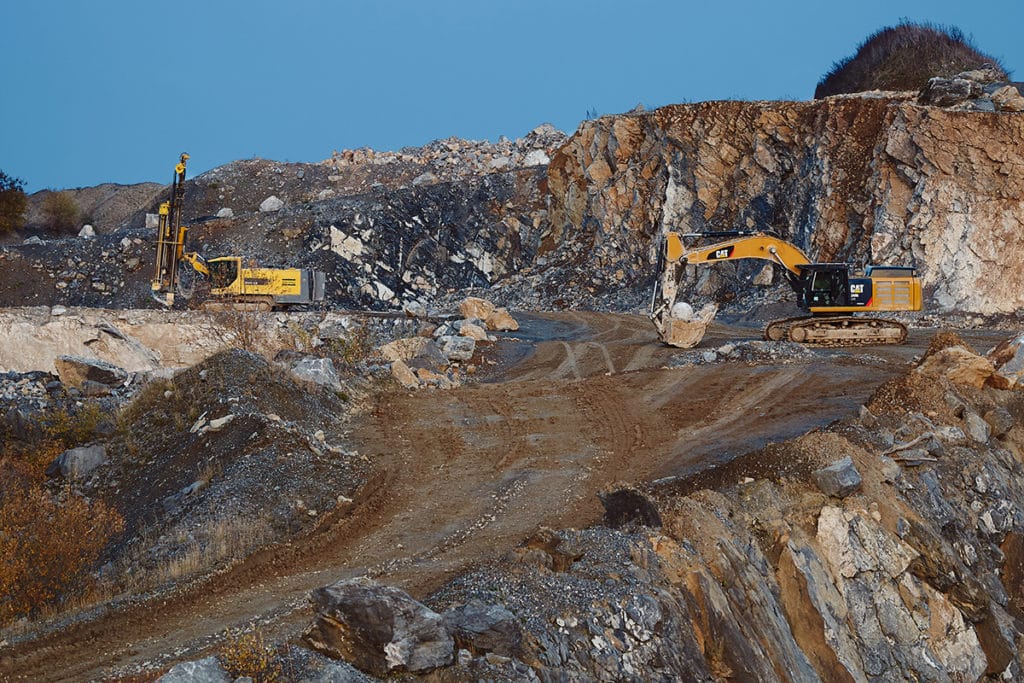
- Construction material mining;
- Non-metallic mineral mining and quarrying;
- Exploration;
- Mining support services.
Construction
For the purpose of specified work, construction covers a broad range of activities, including residential and commercial building projects, civil and heavy engineering works, land development and site preparation, as well as structural work, installations and final construction stages on building sites.
- Residential building construction
- non-residential building construction
- heavy and civil engineering construction
- land development and site preparation services
- building structure services
- building installation services
- building completion services
- other construction services
Examples of eligible and ineligible jobs
Examples of eligible specified work in construction:
- landscaping the grounds of a construction/house site
- painting the interior/exterior of new buildings
- erecting fences on a construction site
- scaffolding
Examples of ineligible specified work in construction:
- ship/boat building
- manufacturing materials used on a construction site (such as concrete or steel)
- town planning or architecture.
The work carried out in the mining and construction industry must be defined by the ‘Australian and New Zealand Standard Industrial Classification (ANZSIC)’. For the list of specified work in construction according to the ANZSIC, click here.
Tourism and hospitality in Northern or remote and very remote Australia
Tourism and hospitality work carried out within postcodes 4406, 4416, 4498 and 7215, Northern Australia or remote and very remote Australia, is considered eligible specified work for the purpose of a second or third Work and Holiday (subclass 462) visa application.
Tourism and hospitality specified work includes a range of occupations in one or more of the following services:
Accommodation
- Hotels, motels, bed and breakfasts, and backpacker hostels
- Caravan parks and camping grounds
- Commercial housekeeping services
- Boarding houses, guesthouses and reception centres.
Food and Beverage
- Cafes and restaurants
- Takeaway food services/businesses
- Catering services
- Pubs, taverns and bars
- Hospitality clubs.
Services provided directly to tourists
- Tourist guides and operators
- Outdoor adventure or activity instructors
- Tourist transport service workers
- Gallery or museum workers, curators or guides
- Travel agency and tourist information workers
- Event and entertainment venue workers.
Examples of eligible specified subclass 462 work in tourism or hospitality:
- a chef in a restaurant
- a guest service agent in a hotel
- a dive instructor
- a tour bus driver.

Bushfire recovery work in declared bushfire affected areas
Following the tragic fires that hit Australia in the recent years, the government made changes to existing laws to allow backpackers to help get the country back on track while renewing their WHV.
- construction, farming, or any other work in association with recovery or restitution of land, property, farm animals or wildlife; and
- support services or assistance to people living, working or volunteering in the affected areas.
Volunteer work helping to rebuild properties and businesses ravaged by fire are also considered for the renewal of Visas.
Examples of eligible & ineligible jobs in bushfire recovery
Examples of eligible specified work in bushfire recovery (paid or volunteer):
- re-building fences destroyed in a bushfire affected community
- caring for wildlife in a bushfire affected community
- support work for volunteer organisations assisting victims of bushfires
- demolition of buildings, trench digging, land clearing and earth moving
- residential and non-residential construction or renovation/repair, including of roads, footpaths, bridges, parking lots, fencing, railways, dams, irrigation systems, sewage and storm water drainage systems
Examples of ineligible specified subclass 462 work in bushfire recovery:
- hospitality, cleaning or administrative work in a business that was not damaged by bushfire
- construction or renovation work in an area that is not a declared bushfire affected area
- work carried out on or before 31 July 2019.
Important
These jobs (paid or unpaid) can only be carried out in disaster affected areas otherwise this will not count for your renewal.
More information here: Work in disaster-affected areas
Natural disaster recovery work
Working Holiday Visa holders can count work assisting in the recovery of natural disasters (floods, cyclones and other severe weather events) as ‘specified work’. The work can be paid or unpaid.
This applies to recovery work carried out from December 2021 in areas that have been declared affected by flood, cyclone or other severe weather events.
Examples of eligible & ineligible jobs in flood recovery
Examples of eligible paid or volunteer specified work in flood recovery:
- general cleaning up (wiping down items, moving and cleaning furniture and appliances, mopping floors and transportation of rubbish)
- demolition of buildings, trench digging, land clearing and earth moving
- residential and non-residential construction or renovation/repair, including of roads, footpaths, bridges, parking lots, fencing, railways, etc.
- work for charitable organisations assisting flood affected communities, including administrative, technical, and coordination support
- administrative support, including customer service and working in call centres providing flood recovery support
- coordination support, including services for insurance companies and local, state and federal government organisations and community and evacuation centres
- transport support, including delivering food, medications or other essential items to flood victims
- caring for, transporting and managing affected animals and related equipment.
Examples of ineligible specified work in flood recovery:
- hospitality, re-building, cleaning or administrative work in a business that was not damaged by floods
- employment in a business not involved in flood recovery work
- clean-up, construction or any other work in an area that is not a declared flood affected area
- work carried out on or before 31 December 2021.
Critical COVID-19 work in the healthcare and medical sectors (all Australia)
Specified work eligible
Work carried out must be critical to Australia’s response to COVID-19 including:
- medical treatment, nursing, contact tracing, testing and research
- support services including cleaning of medical, health care and quarantine facilities and equipment directly involved in the response to COVID-19
Examples of eligible & ineligible jobs
Eligible specified work:
- nursing care for COVID-19 cases in a hospital or quarantine facility
- mental health support work for COVID-19 cases in a hospital or quarantine facility
- research relating to COVID-19 vaccine or treatment
- contact tracing for public health departments
- cleaning at a COVID-19 testing centre or other facility.
Ineligible work:
- general administration or cleaning work with no connection to COVID-19
- occupational therapy or physiotherapy for non-COVID-19 cases
- financial and administrative services at a hospital, health or aged care facility
- mental health support work not directly in response to COVID-19
- work as a laboratory technician on vaccines other than for COVID-19
- medical research other than for COVID-19
- manufacturing or selling personal protective equipment or personal hygiene products.
Specified work must have been carried out after 31 January 2020, anywhere in Australia.
Conditions to renew your WHV in Australia
- be under 31 or 35 years old depending on your nationality
- have a valid passport
- be able to show that you have health cover for the length of your stay
- completed three months (88 days) of specified work in regional Australia for a second year and 6 months (179 days) for a third year.
There are many different industries you can work in to qualify for a second and third working holiday visa. You can work in agriculture in such industries as harvesting, cultivation, processing as well as forestry, fishing and pearling, mining and construction industry. You must work in a regional area for these jobs.
All specified subclasses 417 & 462 work must be paid in accordance with the relevant Australian legislation and awards. The minimum national wage in Australia is AUD 26.44/hr or AUD 1,004.90/week (38 hrs) as of 1 July 2026.
How to count specified work?
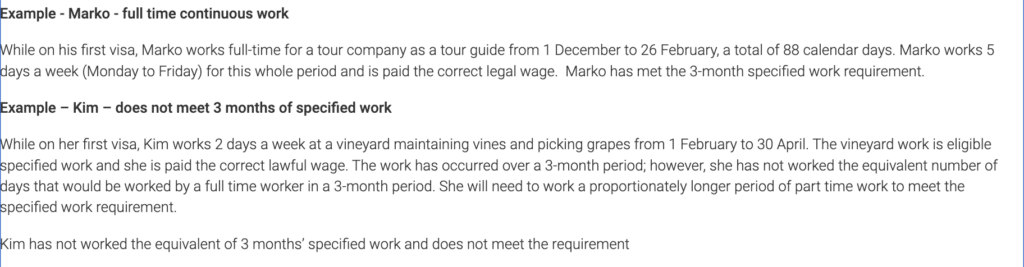
In order to qualify for a second Working Holiday Maker (WHM) visa, you must have engaged in specified work for a duration of at least 3 months. By “3 months,” we mean a period equivalent to the shortest 3 consecutive ‘calendar’ months of the year, totaling a minimum of 88 calendar days. This includes weekends or equivalent rest days during your employment.
To be eligible for a third WHM visa, you need to have completed at least 6 months of specified work starting from July 2019 onwards. When we say “6 months,” we are referring to a period equivalent to the shortest 6 consecutive ‘calendar’ months of the year, totalling a minimum of 179 calendar days. This also accounts for weekends or equivalent rest days during your period of employment.
To fulfill the requirement for the minimum duration of specified work, you should complete the same number of regular workdays or shifts that a full-time employee in that role and industry would typically work within a 3-month (88 calendar day) or 6-month (179 calendar day) timeframe.
You must have undertaken all your specified work while holding your previous Working holiday visa. This means that when your apply for a second WH visa you must have undertaken all specified work while holding your first WH visa. And when you apply for a third WHV visa, you must have undertaken all specified work while holding your second Working Holiday visa.
Read also : How to calculate your days to renew your visa
Examples extracted from the immi website:
Work with the same employer for more than 6 month
Since 2024 you can work for the same employer in Australia for more than 6 months without asking permission if your work is:
- in different locations and work in any one location does not exceed 6 months
- in plant and animal cultivation anywhere in Australia
- in certain industries, including aged care and disability services, fishing and pearling, tree farming and felling, construction and mining, in northern Australia only (see Northern Australia)
- natural disaster recovery work
- in critical sectors, including agriculture, food processing, health, aged and disability care and childcare, anywhere in Australia
- in the critical sector of tourism and hospitality anywhere in Australia.
Official Source: Homeaffairs
Updated 21.01.2026
The information provided in this article has been extracted from the official Australian government website. it may change rapidly, always check the official website for up-to-date information.








Hi, I’m living in Sydney. I’m looking for 88 days for WHV. I have tried a lot but i haven’t been successful in finding a job. if there is any agency that provide job to working holiday visa holders which is eligible specific work please refer me. I urgently need help.
Hi there, you wont be able to do the 88 days if you stay in Sydney – please check the postcode to ensure the area is eligible. Cheers
Does working in a golf club in the Airlie Beach area count for 88 days? I know Airlie Beach is fine but just want to confirm working as a Golf Operations Attendant fits the bill (involves greeting guests, driving them to and from the clubhouse, renting clubs, maintaining facilities and equipment etc.)
Hey Bob, yes should work 😉