















Surfing is a very Australian way of life, with countless and endless amazing beaches, offering both beach breaks and reef breaks along the coastline. The beach culture has always been an integral part of their lifestyle. Surfers of all age and sex are part of a strong community and kids were born on the coast with a gift to surf. We share here with you some of the best surf spots not to be missed in Australia.
Table of Contents
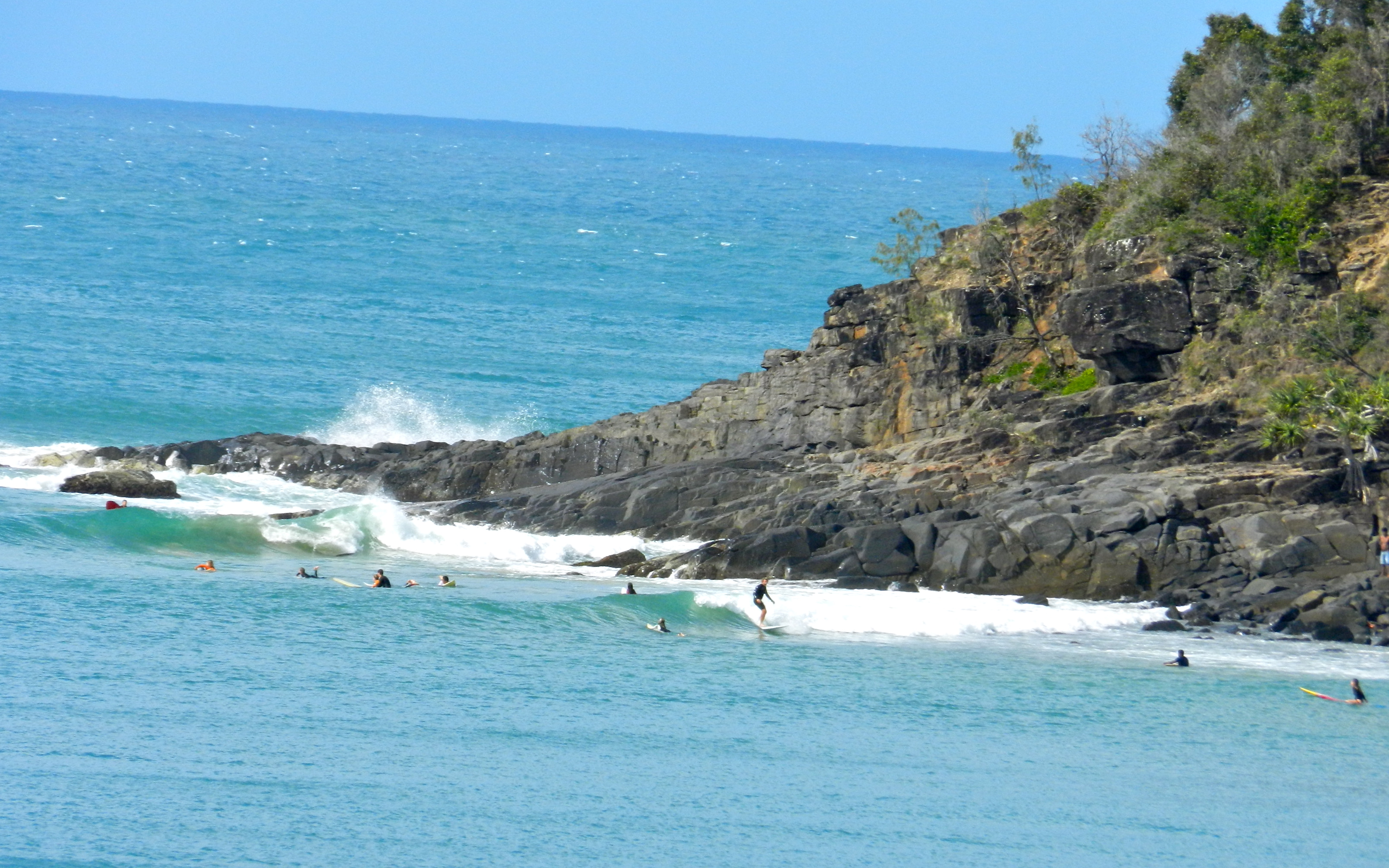
Tea Tree Bay, Noosa (Queensland)
From the National Park car park, follow the track for 500m through a dense gumtree forest. Keep an eye out for koalas, they are not so far.
You will see a right point break, breaking on mainly sandy and patchy rock bottom. The best conditions comes with a NE-E swell and south wind, what can give a 2-300m ride.
- Season: Feb–May & Sep–Nov
- Wave: Long, peeling right point
- Crowd: Moderate (lesson clinics in Feb)
💸 10% discount on your insurance policy
Find here all the information you need and get your 10% Go walkabout promo code for any policy.
Currumbin, Gold Coast (QLD)
Further north from the famous and crowded Kirra, Coolangatta or Snapper Rocks, you will discover a welcoming estuary in this little and peaceful town. The wave breaks off a rocky point into the entrance of the creek, over a sandy bottom. Sometimes, it can be quite powerful and advised for advanced level surfers only. Other good options are abundant around.
Tallows Beach, Byron Bay (NSW)
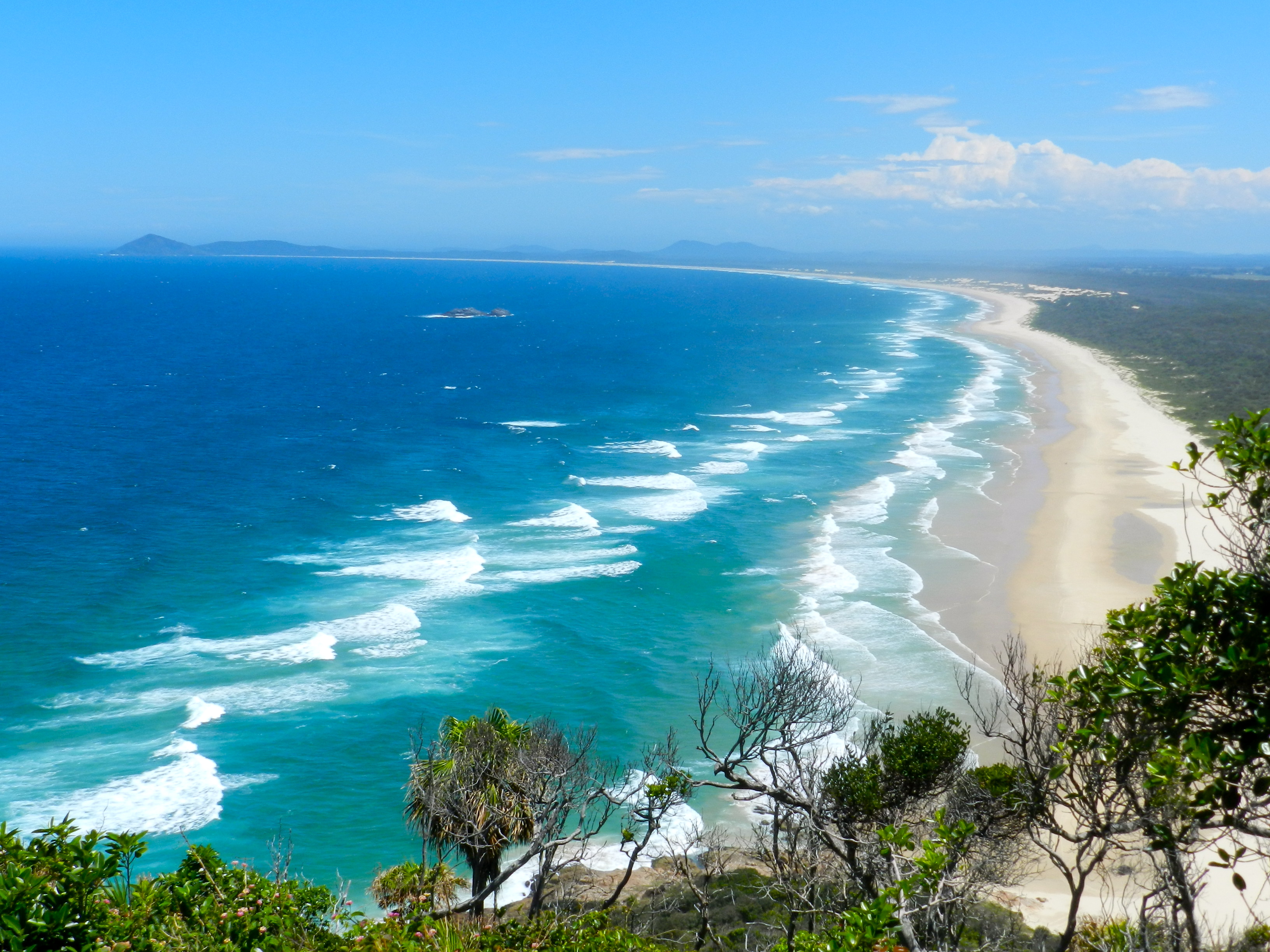
Byron Bay is a popular surfing destination with top-quality waves for surfers of all levels. This area is also known for its stunning landscapes, trendy cafes, and lively nightlife.
Tallows Beach is THE SPOT without tourists in Byron Bay. It is located near the famous Cape Byron lighthouse, which you can see in the distance. The location is protected from NE winds, giving you the opportunity to catch both lefts and rights that will thoroughly satisfy you. Breaking on sand and rock bottom, you can get a pretty heavy shore-break on this beach. In Byron Bay, surfing is primarily a way of life. You can immerse yourself in the hippie vibe that prevails in this small town like nowhere else. Finally, be respectful of other surfers during your visit.
The Pass is also a popular surf spot in Byron Bay, offering easy-to-surf waves for beginners as well as more powerful waves for experienced surfers.
- Season: Mar–May & Sep–Nov
- Wave: Long, mellow right
- Crowd: Busy (backpacker-friendly rentals)
🏄 New to surfing? Take a lesson in Byron Bay
Byron is one of the best places in Australia to learn — mellow waves and a laid-back vibe. A group lesson includes board and wetsuit, and gets you standing up on day one.
Book a Byron Bay surf lesson →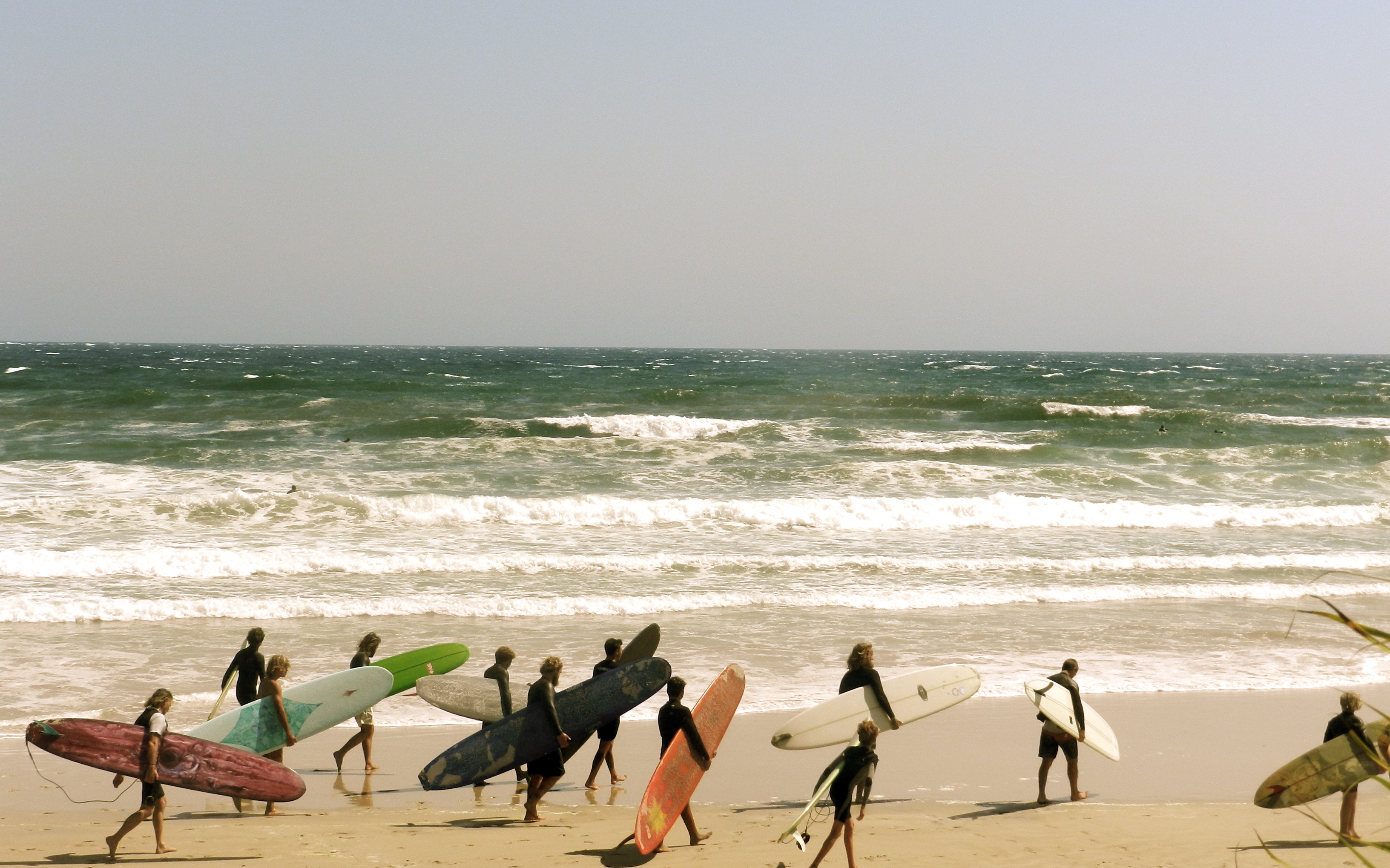
Macauleys, Coffs Harbour (NSW)
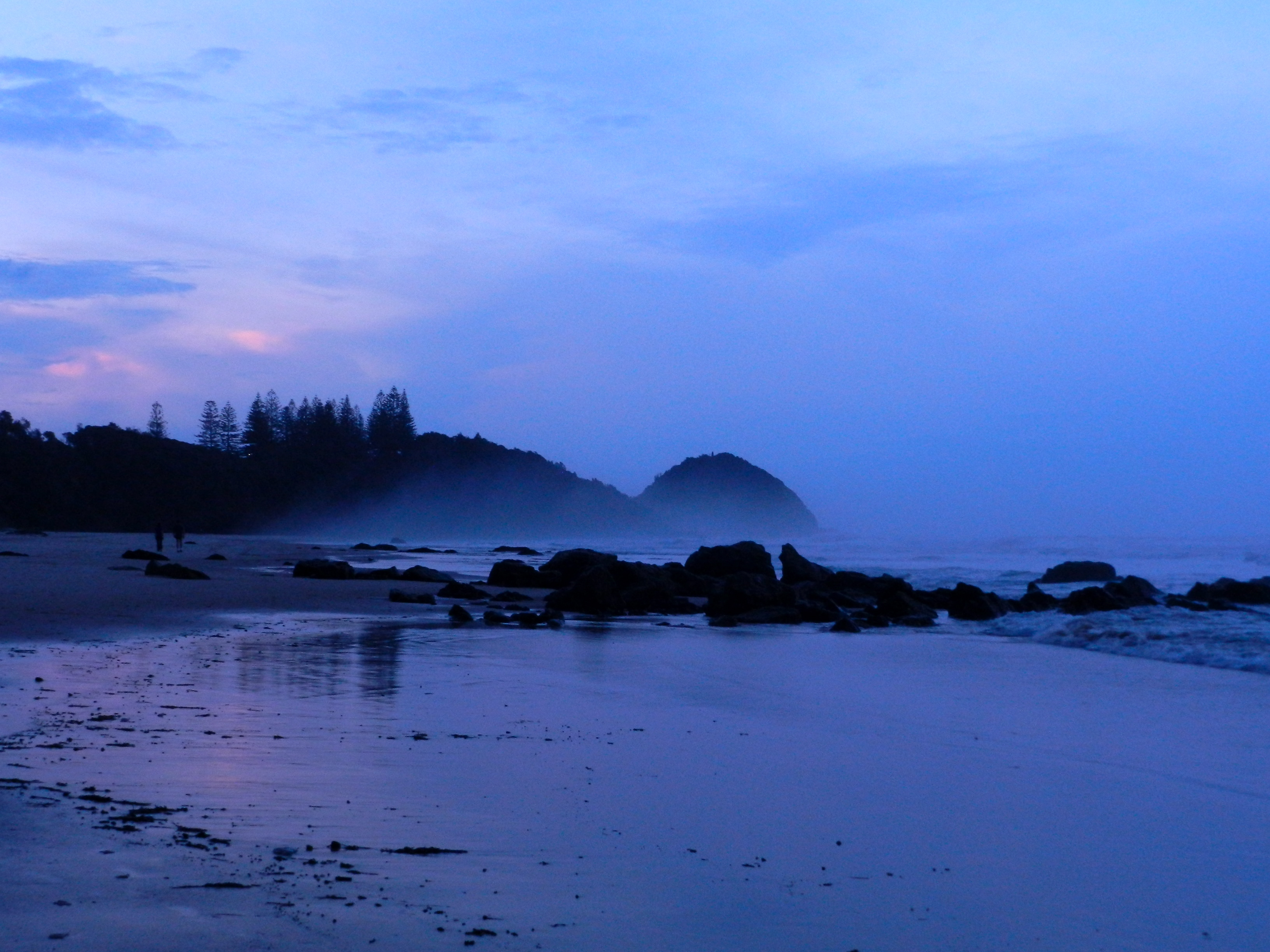
Better to get up early morning for this one. The best option is to park your camper-van not too far the night before (but not on the parking right in front, you might get troubles with the ranger). These waves are gentle and perfect for beginners, not too far from the shore so you won’t need to paddle kilometres. It’s a popular spot with locals, so as always, be respectful of other enthusiasts.
🚐 5% Discount with Travellers Autobarn
Travellers Autobarn is offering a 5% discount to Australia Backpackers Guide readers with promo code GUIDEEN
Boomerang Beach, Forster (NSW)
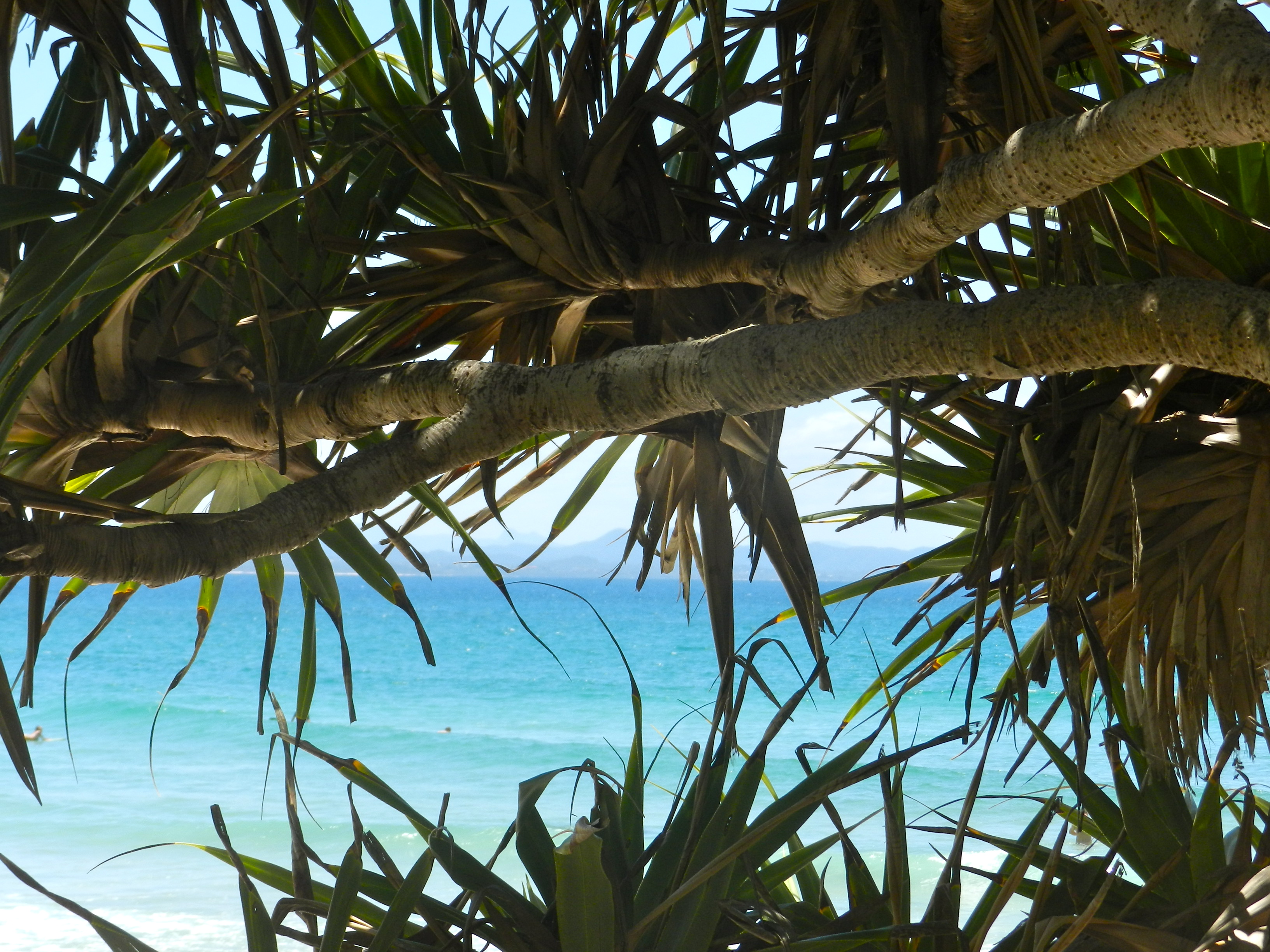
Hard to forget this one, according to its very large and open beach offering a multitude of peaks. A beautiful beach-break giving both lefts and rights with all sorts of tides. Banks are moving quite a lot, so we can’t guarantee how long it will stay there. You should keep an eye out for dolphins, these guys like riding waves too.
Lorne (VIC)
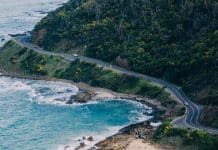
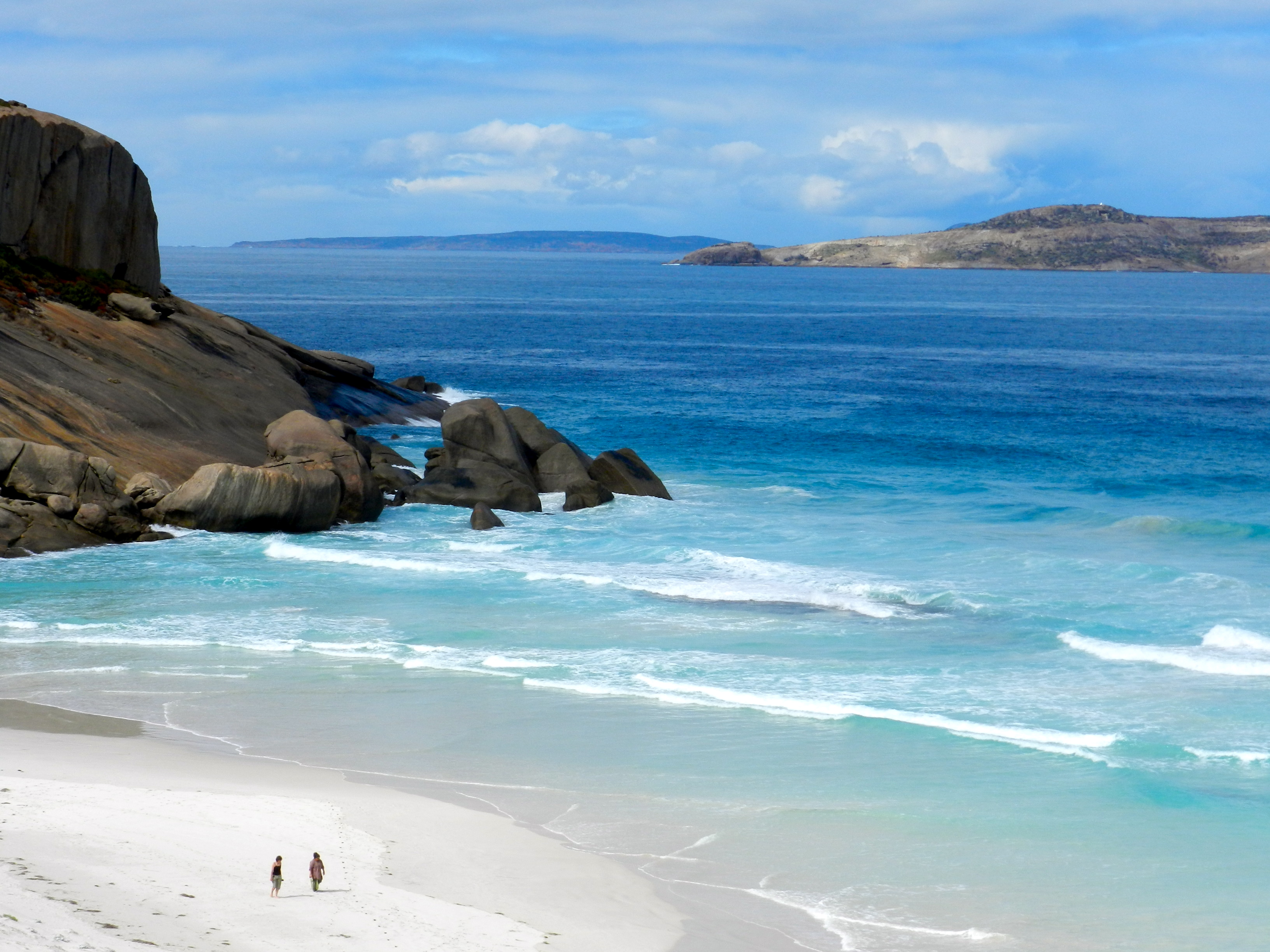
West of Torquay and the famous Bell’s beach where took place the World Surf League, Lorne can turn out to be magical. At best, you can get a 4-500m ride. The Ocean let endless lines appear toward the horizon. Moreover, you can get great fresh fish near here.
Nearby Torquay is a popular surfing destination on the Great Ocean Road, with top-quality waves for surfers of all abilities. It is also the site of the Surf World Museum, which celebrates the history of surfing in Australia.
- Bells Beach
- Season: Mar–May
- Wave: Powerful reef point
- Crowd: Busy (Rip Curl Pro April)
- Torquay (Jan Juc)
- Season: Jun–Aug
- Wave: Consistent beach breaks
- Crowd: Moderate (free lesson programs)
Margaret River, Supertubes (WA)
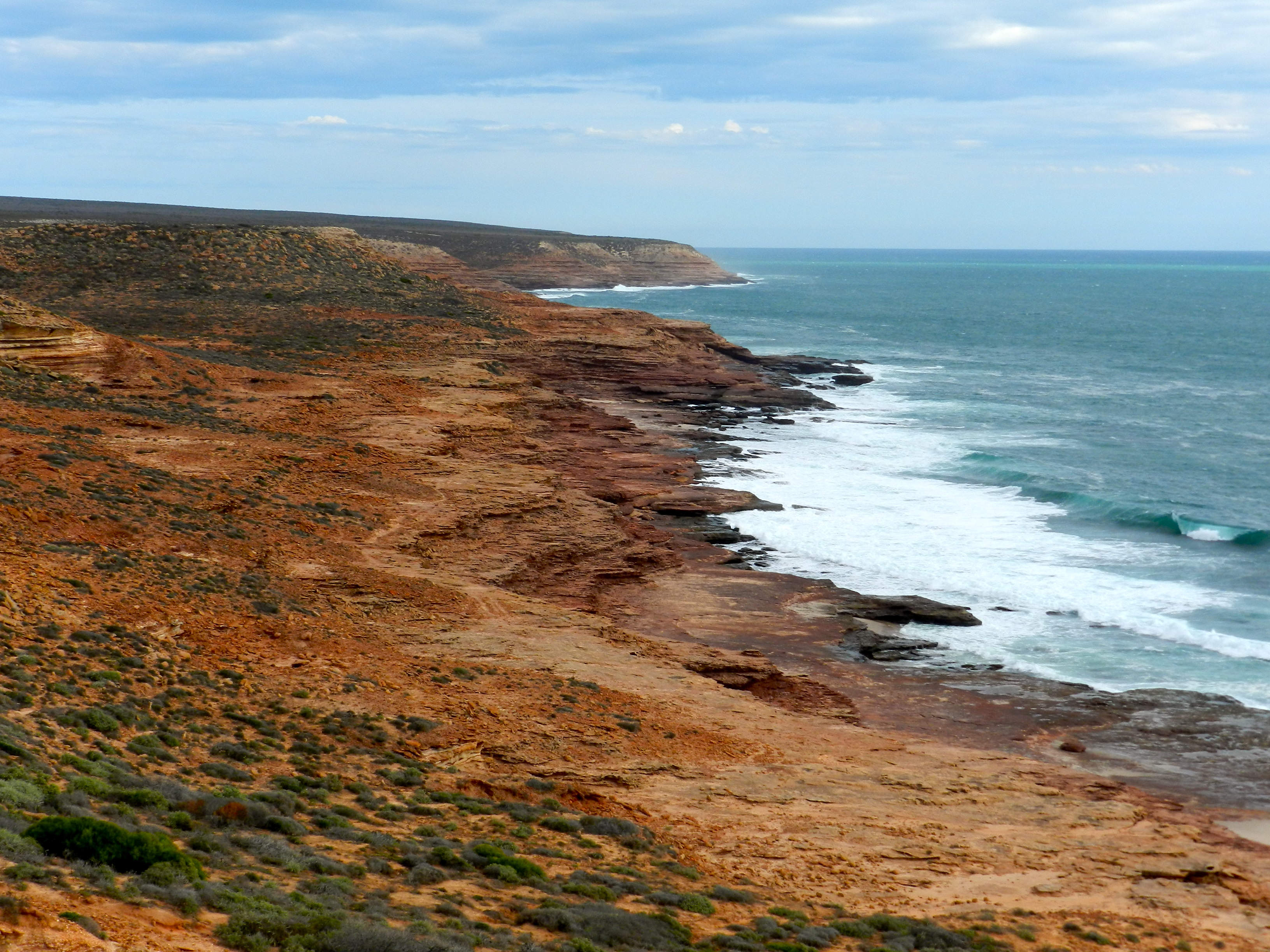
Great intermediate or advanced wave. After the effort, you will deserve to chill out at a little cafe nearby. In March, you can watch the best surfers in the world at the Margaret River Pro.
The Box is also a legendary surf spot near Margaret River, offering powerful, hollow waves for the most experienced surfers.
- Season: May–Sep
- Wave: Heavy reef barrels
- Crowd: Crowded in winter (entry-level breaks available nearby)
Triggs beach, Scarborough (WA)
This is a pretty good right but it can become quite crowded. If you are a beer lover and heading to Perth, stop by the brewery called “Little creatures” in Fremantle, you will not be disappointed.
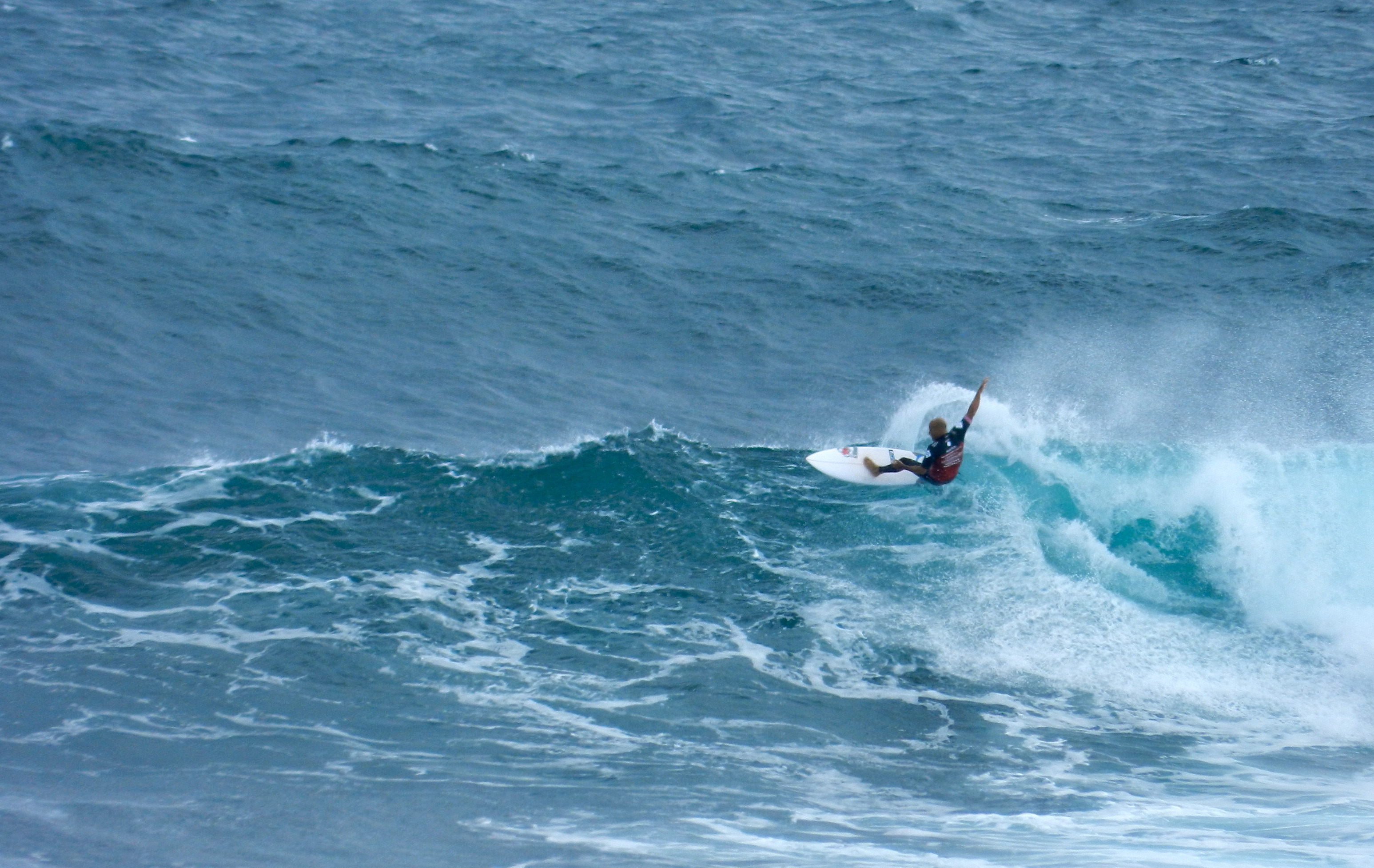
Dunes, Exmouth (WA)
Hollow and peeling waves with intense long rides. You are almost guarantee to be on your own here. Far away from everything and everyone, these waves will be yours if you are not scared of sharks. Otherwise Cape Range National Park offers lots of beautiful beaches with snorkeling spots or great walks through Yardie Creek. You will satisfy your desire of wilderness at least.
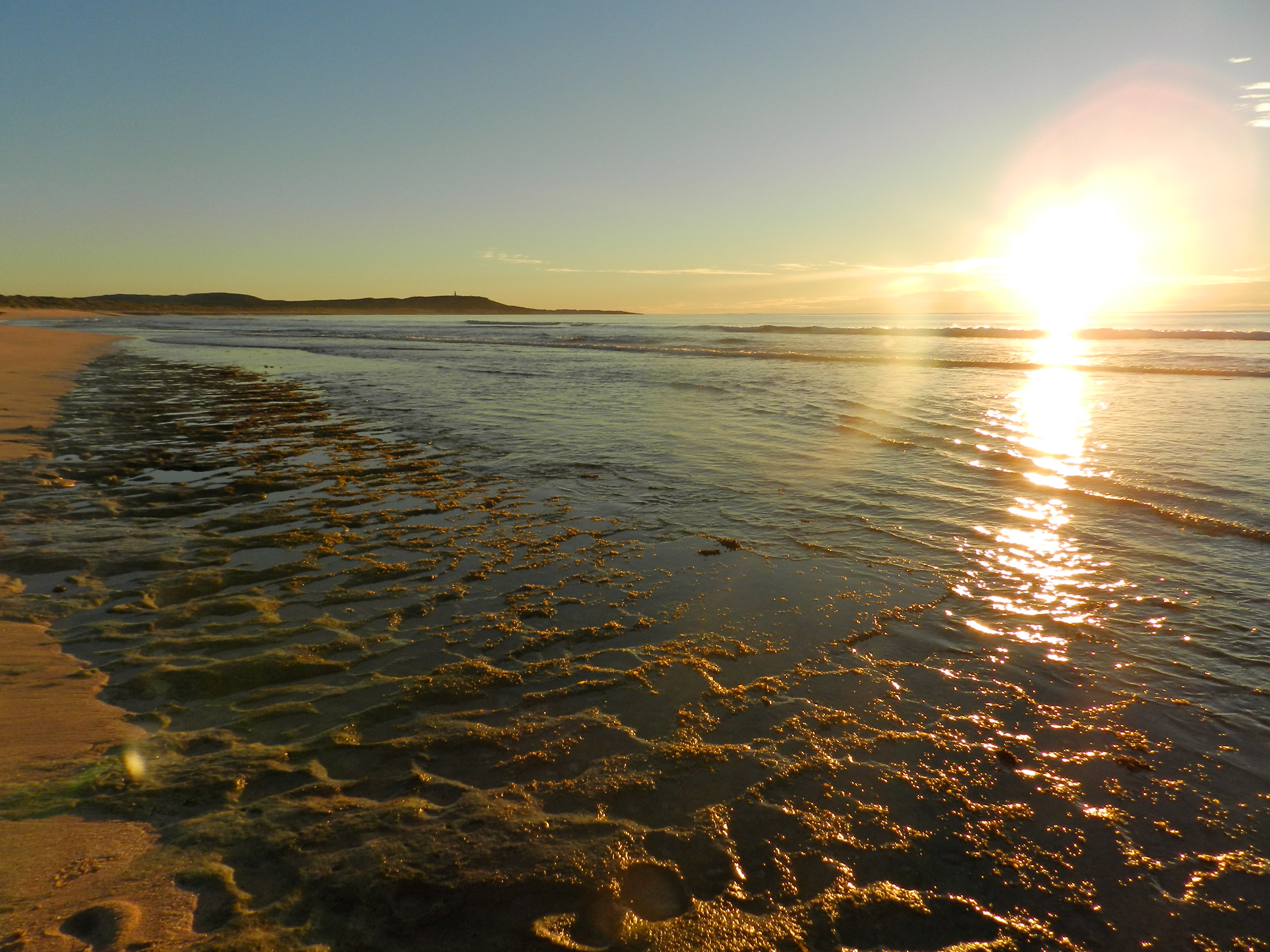
Cable beach, Broome (WA)
The last one on the list is probably the most remote one. It is also the last opportunity to surf before reaching the East coast, if you are heading to Northern Territory. This is the warmest water where I surfed ever (around 28°C). Tiny waves, shallow water and sandy beaches, a paradise for beginners.
Important surf rules
Choosing the right surf spot
Depending on how advanced your surfing level is, you will have to decide where to play in the waves. When making the decision whether a surf spot is suitable for you, take your time and consider all factors. Just because it is a beach break, meaning the waves are braking on sand, not on rocks, does not mean that it is safe for a beginner for example. On the contrary, beach breaks can be very heavy with hollow waves and strong rips. These make entering and exiting the water rather difficult, especially if the spot is surrounded by cliffs or a steep beach.
The line-up
It depends on what kind of break you are at. At a point break or a reef for example, the waves break pretty regularly. Thus, when you paddle out you should wait your turn. Make sure the people who had been sitting and waiting there before you go first. However, some people might actually not try to get onto the incoming wave, so observe and then choose which wave you want to go for.
At a beach break it is a different story, as peaks shift quite a bit. Hence, when you paddle out and a wave is rolling towards you, better make sure nobody is already sitting there waiting for this wave. In general it is more fun for everybody if you look out for each other and make sure everybody get their fair share of waves.
Surf Rules on right of way
To begin with, no matter if you are on a beach, a point or a reef, the person closest to the peak, the place where the wave will break, has right of way. If there are three people paddling for a wave for example, you’ll have to quickly check who is closest to the peak and pull out if it’s not you. This is the most important rule, but of course there are some exceptions. If another surfer has started paddling for a wave before you for example, he or she should have the right of way. However, if you are on a long board or SUP, you can get much quicker on waves than with a short board. So don’t take advantage of these surf rules if you want to avoid angry looks.
It also happens that you are sitting too close to the peak or even inside it. If you notice this quick enough and figure you might wipe out, safe yourself the pain. Just shout out to the person next to you, who is probably in a better position, to have the wave. Even if other surfers ignore these surf rules, it is good practice to make sure you’re on the safe side. This way you get the most out of your session.
Insider Tips:
- Check local surf cams for real-time conditions.
- Arrive early in peak season to secure parking and smaller lineups.
- Respect right-of-way and always paddle out between designated flags at patrolled beaches.
Surfing in Australia: Essential Safety Tips
Australia’s waves are world-class, but the ocean here demands respect — sharks, marine stingers, hidden reefs and powerful rips can turn a great session into a dangerous one. A few habits keep you safe:
🌊 Check the conditions first. Before you paddle out, check the swell, wind, tide and weather — use a live surf-cam or a report app like Willyweather or Surfline. Then spend a few minutes watching the lineup: where the waves break, where the rip is, and how the locals enter and exit the water.
🚩 Know rips, they’re the #1 danger. Rip currents cause more rescues than anything else in Australia. If you get caught in one, don’t fight it: stay calm, keep hold of your board, and either paddle parallel to the beach until you’re out of the flow, or ride it out and signal for help. Where beaches are patrolled, always stay between the red-and-yellow flags.
🦈 Understand the marine life. Shark encounters are rare but real, they’re more likely near river mouths, at dawn/dusk, and around baitfish schools, so avoid surfing alone in those spots at those times. In the tropical north (roughly Exmouth to Broome and beyond), also watch for saltwater crocodiles and marine stingers (box jellyfish and Irukandji, Nov–May). Down south, bluebottles wash up on many beaches, painful but rarely serious.
📍 Respect remote breaks. Chasing empty waves often means no lifeguards and no phone signal. Scout your entry and exit points, note a landmark in case you need to orient yourself, tell someone where you’re going and never surf alone in an isolated spot.
🏄 Surf within your limits. A beach break isn’t automatically beginner-friendly, sand-bottom waves can still be heavy and hollow. Pick a spot that matches your level, always wear a leash, and if you’re just starting out, take a lesson or head to a gentle, patrolled beach. The ocean always wins, so there’s no shame in sitting a big day out.
⚠️ Disclaimer: This is general guidance, not a substitute for local knowledge or professional advice. Conditions change fast — always follow local signage and lifeguard instructions. In an emergency, call Triple Zero (000).