














Hobart, the capital city of Tasmania, is a place of stark natural beauty, rich history, and vibrant culture. Nestled on the Derwent River and shadowed by the imposing Mount Wellington, Hobart offers a unique blend of the 19th-century charm with a modern lifestyle. You will not lack ideas for outings and activities. This guide explores the must-visit spots and experiences in Hobart for any traveller.
Table of Contents
History of Hobart
Formerly called Van Diemen’s Land, the city was born when 35 convicts and a dozen soldiers were sent there to create a penal colony and prevent the arrival of the French. It was under the direction of Colonel David Collins, 1st Governor of the island of Tasmania, that the foundations of the very first building of the city of Hobart were laid in 1804. This pretty town therefore once served, – like the rest of the island – as a place of “holiday” for the prisoners since it was the main penal colony of the country.
This colony soon went out of control. The food was so poor that Colonel Collins was forced to release prisoners to go kangaroo hunting! Other detainees escaped and became bushrangers, regularly terrifying small villages. Nevertheless, the city managed to become prosperous in the 1830s with the arrival of whalers.
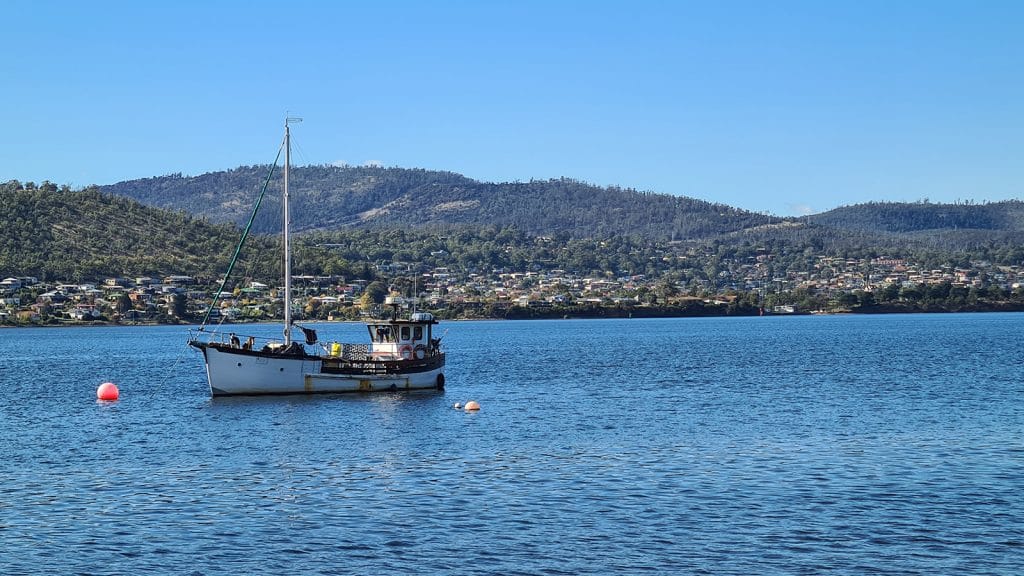
When to visit Hobart?
Hobart is considerably cooler than the rest of Australia — it’s the second-southernmost capital city in the world after Wellington, and it has four genuinely distinct seasons. Summer highs average around 21 °C, winter highs around 12 °C. Nothing here gets extreme in either direction, but the weather changes fast: locals will tell you to expect four seasons in an afternoon, and they aren’t exaggerating.
Summer (December – February)
During the summer in Hobart, average temperatures range between 11.5 and 21°C. January and February are the driest months and the beaches are warm enough for swimming.
Fall (March – May)
Autumn has many calm and sunny days, with average temperatures between 8.9 and 17.3°C. During this season, the city is blanketed in red and yellow hues as the trees begin to change.
Winter (June – August)
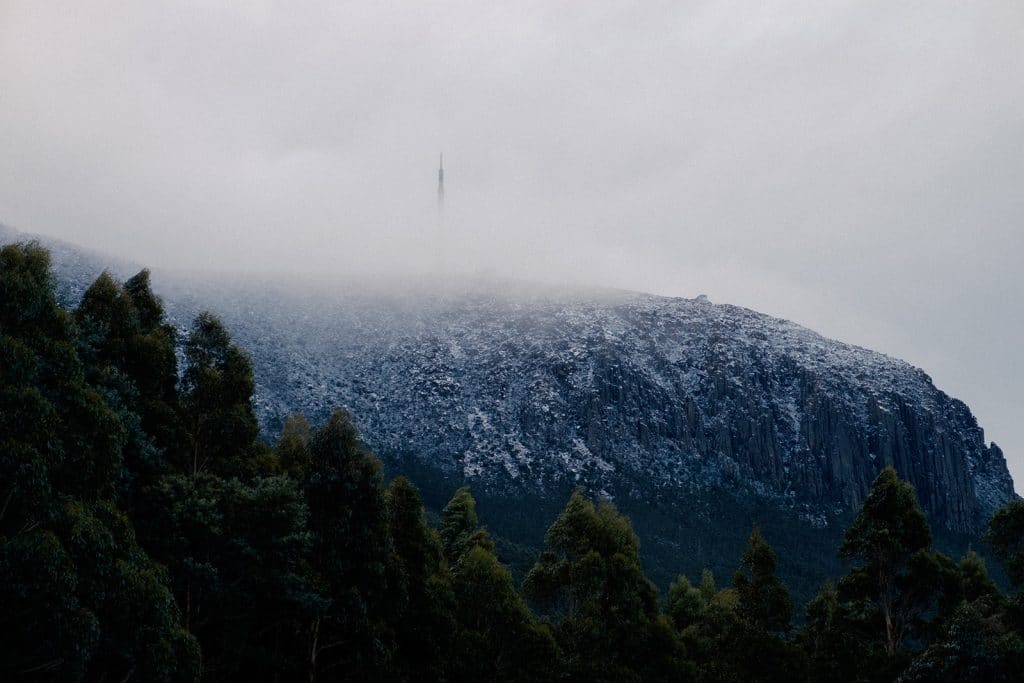
Winter brings Antarctic winds and the coolest temperatures of any Australian capital. Daytime averages run from 5 to 12 °C, and nights regularly drop to around 3 °C. kunanyi is often dusted with snow, which is precisely when the city looks its best.
Don’t write winter off. It’s when Dark Mofo takes over the waterfront, accommodation is at its cheapest, and you’ll have the walking tracks to yourself. Bring proper clothing and it’s arguably the most atmospheric time to be here.
Spring (September – November)
In spring, average temperatures range from 7.8 to 16.9°. It is the wettest time of the year (168.7 mm), even if Hobart remains the second driest capital of Australia (after Adelaide).
In summary, the best time to visit Hobart is during the Australian summer (December to February) when the weather is warm and festivals are abundant. However, spring (September to November) and autumn (March to May) also offer pleasant temperatures and fewer crowds.
What to do & see in Hobart
Established in 1804, Hobart retains its Georgian and Victorian architecture—especially around Salamanca Place and Battery Point.
Battery Point
Stroll the Streets: Cobbled lanes and heritage cottages dating to the early 19th century.
Key Spots: Arthur Circus’s quaint circular street, St. George’s Anglican Church (1828), and cosy cafés on Hampden Road.

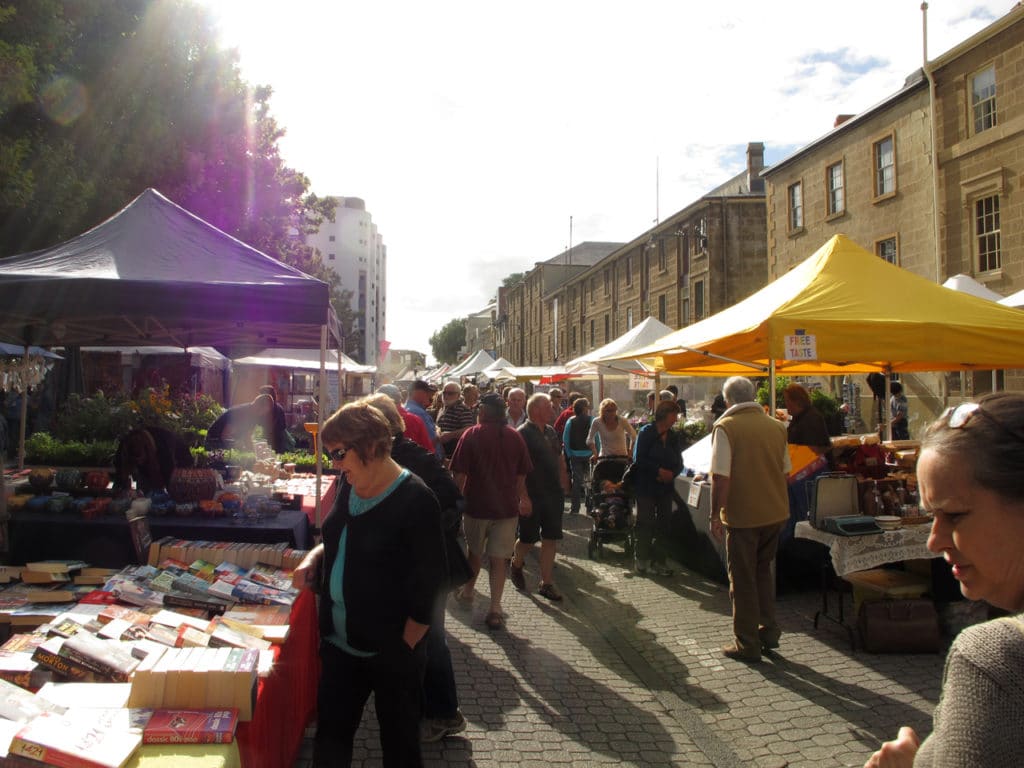
Salamanca Market
When: Saturdays, 8:30 am–3 pm (except winter solstice weekend).
Highlights: Over 300 stalls selling Tasmanian produce, artisan crafts, street food and live entertainment.
Insider Tip: Arrive by 9 am to beat the crowds and sample freshly shucked oysters at the waterfront stalls.
MONA – Museum of Old and New Art
What It Is: David Walsh’s subterranean museum blends antiquities with provocative contemporary installations.
How to Get There: 30-minute ferry from Brooke Street Pier (return AUD 45; includes museum entry).
Tip: Book “Mona After Dark” (first Friday monthly) for live music, food trucks and late-night exhibit access.
Tasmanian Museum and Art Gallery
Exhibits: Aboriginal heritage, convict history, natural sciences and contemporary Tasmanian art.
Hours & Admission: Open 10 am–5 pm daily; free entry (special exhibitions may incur a charge).
Royal Tasmanian Botanical Gardens
Established in the 19th century, these gardens are a tranquil escape from the city bustle. Located on the Tasman Highway (2km from the city centre), this park has more than 6,000 plant species, a Japanese garden and a sub-Antarctic house that reproduces the climate and vegetation of Macquarie Island (half way between Tasmania and Antarctica).
Salamanca Arts Centre & Theatre Royal
Salamanca Arts Centre: Galleries, studios, workshops—check the schedule for rotating exhibitions and artist talks.
Theatre Royal: Australia’s oldest continually operating theatre (1837); book a play, musical or classic film screening.
The Harbour
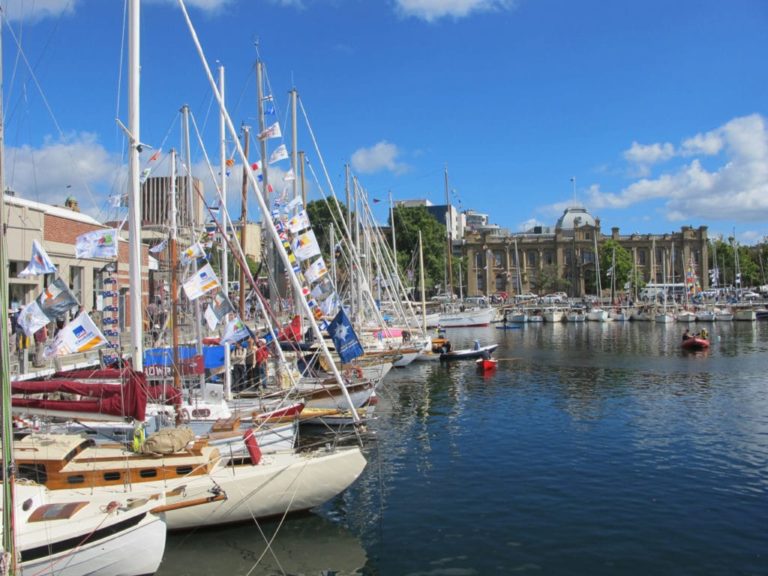
Go for a walk along the water’s edge, admire the boats and eat a delicious fish and chips in a relaxed atmosphere.
Here are two of the best addresses in town: Fish Frenzy (Sullivans Cove, Elizabeth Street Pier) and Mures Lower Deck (Victoria Dock, Franklin Wharf).
Cascades Female Factory Historic Site
Listed as a UNESCO World Heritage Site, this former workhouse for girls and women (who nevertheless represented ¼ of the prisoners) tells the story of Australian convicts during the colonial era (25$ – open from 9 a.m. to 5 p.m.). The women here were divided into three distinct classes and had no right to communicate with each other. Women who committed the worst offenses were forced to work up to 12 hours a day and the slightest disobedience inflicted an additional punishment. The prison is built on the indigenous lands of the Palawa community who are the aborigines of the island of Tasmania.
Cascade Brewery
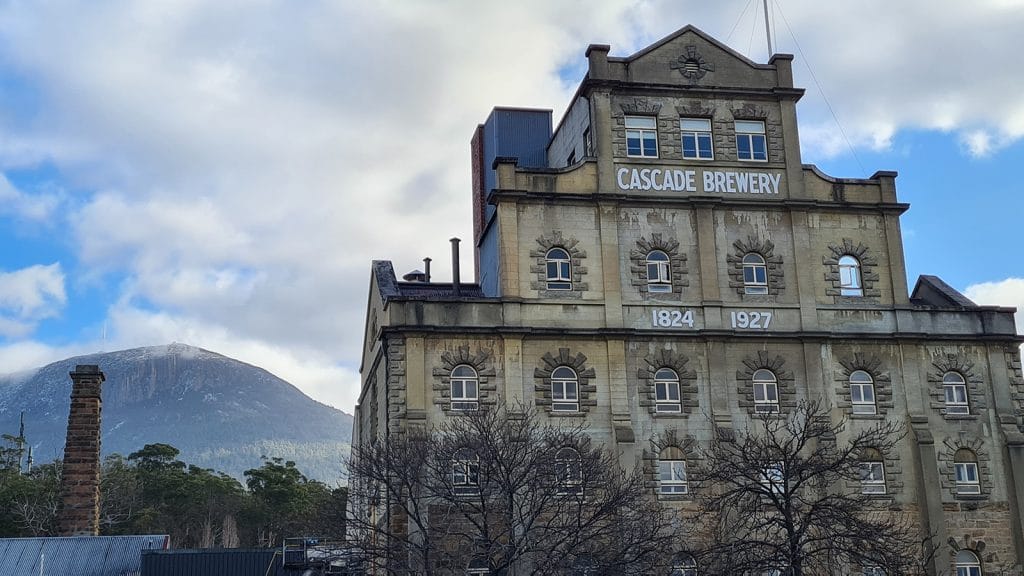
Located below Mount Wellington, Cascade Brewery is Australia’s oldest brewery still in operation since its founding in 1824 (open 11am-5.30pm Sunday-Tuesday and 8.30pm Wednesday-Saturday). The beers here are made from Tasmanian barley and hops combined with spring water from the surrounding mountains. Do not hesitate to taste the famous Cascade Pale Ale which is the oldest continuously brewed beer in Australia (1832). The place also has a restaurant where you can taste delicious Tasmanian dishes.
Kunanyi / Mount Wellington
The mountain that looms over Hobart carries a dual name: kunanyi, its palawa kani name, officially recognised alongside Mount Wellington since 2013. Whichever you use, it’s the defining feature of the city — and the single best thing you can do here.
- Getting up: a 21 km sealed road runs to the summit, or you can walk. The Pinnacle Track takes around six hours return from the city.
- Viewpoints: The Springs, roughly halfway up at about 700 m, has a café and picnic area. The summit platform at 1,271 m gives you 360-degree views over Hobart, the Derwent and, on a clear day, most of southern Tasmania.
- What to pack: layers, and more than you think. The summit runs 10 to 15 °C colder than the city, and the wind up there is relentless. Snow is possible in any month of the year.
- Check before you go: the summit road closes regularly in winter for snow and ice, and occasionally in summer for fire risk.

Where to go out and Events
Local bars & restaurants
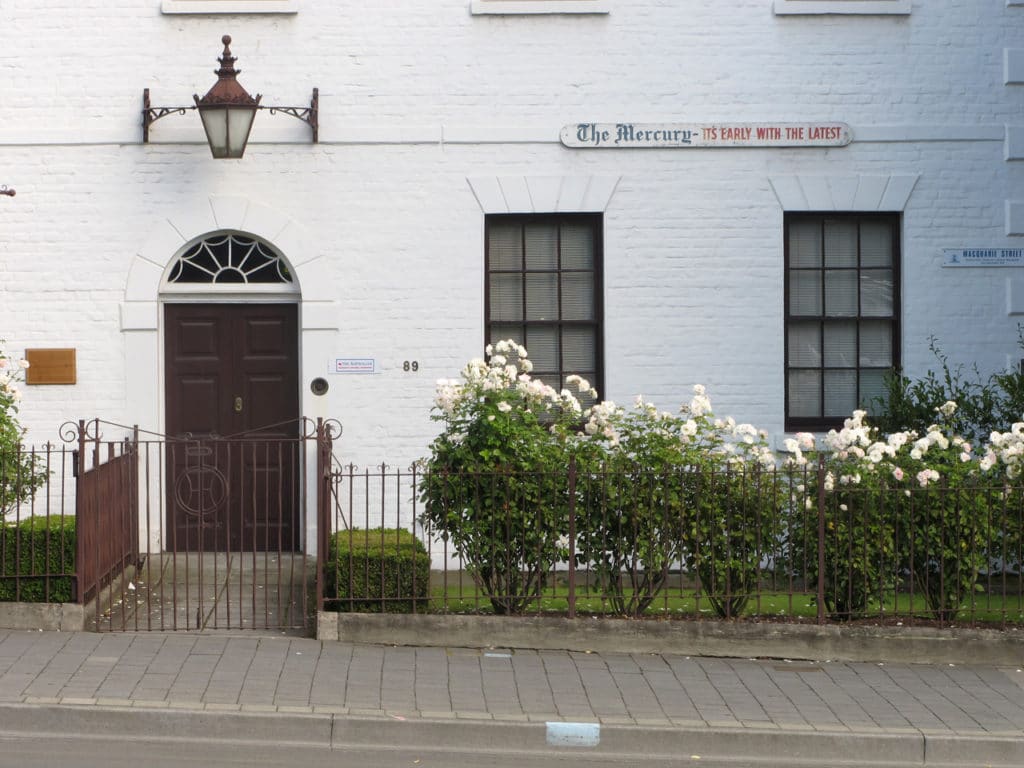
For all exceptional events, do not hesitate to take a look at the newspaper “The Mercury” which is published every Friday.
Preachers (5 Knopwood Street): Here you have the choice between choosing a seat around the fire near the bar, going to the beer garden or even sitting on the bus parked in the garden.
Bar Wa Izakaya (216-218 Elizabeth Street): here the Tasmanian universe and that of Japan mingle. The bar specializes in sake, cocktails and beer.
Many other places are to be discovered in Salamanca Place, Elizabeth Street or Macquarie Street and Battery Point.
Festivals and events
Hobart punches far above its weight for a city of 250,000. The calendar worth planning around:
- Sculpture at Sullivans Cove (January–March), free outdoor art trail along the waterfront.
- Dark Mofo (June) — the reason to come in winter. MONA’s festival of fire, art, music and midwinter feasting takes over the waterfront, and the nude solstice swim is exactly what it sounds like.
- Sydney to Hobart Yacht Race (finish, 27–31 December): the fleet arrives at Constitution Dock and the whole city turns out. Free, and genuinely exciting.
- Australian Wooden Boat Festival (February, odd-numbered years), one of the largest wooden boat gatherings in the world.
- Ten Days on the Island (March, odd-numbered years), Tasmania’s statewide arts festival.
- Taste of the Huon (March), food and cider in the Huon Valley, an hour south.
For everything else while you’re here, The Mercury publishes local listings on Fridays.
How to get Around?
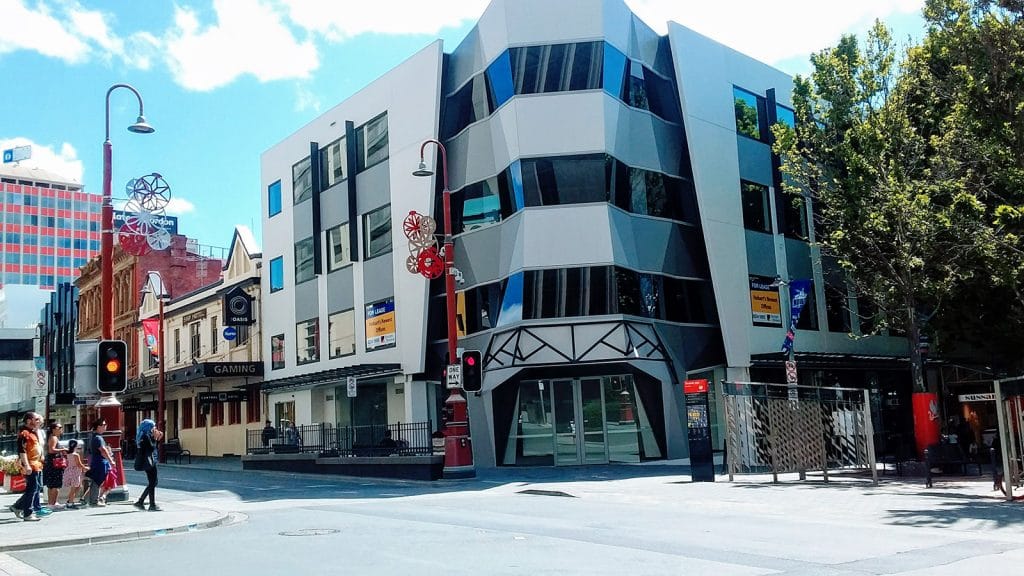
You can easily walk around in the city centre.
Metro Tasmania buses cover the CBD and suburbs; day passes from AUD 10.
Hobart’s compact layout makes cycling a breeze; look for dockless e-scooters and bike-share schemes.
You can also decide to rent a campervan. If you plan to visit the region or do a road trip in Tasmania, you can compare the offers of different rental agencies on www.motorhomerepublic.com
🚐 Cheap Campervan Rental
All our tips & tricks for renting a cheap campervan in Australia! Practical hacks, online comparison sites, promo codes, and more.
Accommodation Guide in Hobart
Caravan Park
The two best Caravan Parks in the capital are undoubtedly: BIG4 Hobart Airport Tourist Park ($40/night pitch with electricity or $140/night/2 people in a small cabin) and Snug Beach Cabin & Caravan Park (30 or 39 $/night for a pitch with or without electricity or $109/night/2 people in a small studio).
Backpackers Hotels
Otherwise, we recommend The Pickled FrogOpens from $30 per night in a dormitory (8 beds), $70 per night for a single room or Hobart Central YHA (from $25 per night in a dormitory (12 people) or $96 for a double room.
Hostels
Hobart’s hostel scene is small but good, and everything is within walking distance of the waterfront. Dorm beds start around AUD 35–45, private rooms from AUD 90. Book ahead between December and February, the city fills up completely around the Sydney to Hobart arrival and the summer festivals.
🏨 Where to stay in Hobart
The best-value area is between Salamanca and the CBD — you can walk to the market, the waterfront and the bars without needing transport at all.
Camp spots
Finally, thanks to WikiCamps, you will have access to a map where all the free camps in the area are listed. Very practical!
Discover Hobart’s surroundings
Richmond
Just 20 minutes from Hobart, the Georgian-style village of Richmond was once a strategic military post.
Older than the historic site of Port Arthur, you see buildings built by convicts, including the oldest Catholic church in Australia.
Don’t miss the oldest bridge in the country across the Coal River. Built by the convicts in 1823, it is probably still haunted by Georges Grover. This prisoner was in charge of watching his fellow inmates and liked to see them suffer. One morning, during a dispute with another convict, he was murdered and his body was thrown from the bridge into the river.
Port Arthur & Tasman Peninsula
The Convict Trail to the east of Hobart takes you through historic towns to Port Arthur in the south of the Tasman Peninsula.
The Tasman Peninsula
The Tasman Peninsula is a stunning area in Tasmania. It shelters the famous historical site of Port Arthur and has impressive rock formations.
Among them, Tessellated Pavement, Blowhole, Tasman Arch or Devil’s kitchen, on the road to Port Arthur, are accessible by a short walk (10min).
Along the road, there is also the Tasmanian Devil Conservation Park, home to several Tassie devils. It’s possible to participate in the feeding of several animals including the Tasmanian devil! ($ 35/pers – open every day)
Port Arthur Historic Site (1.5-hr drive)
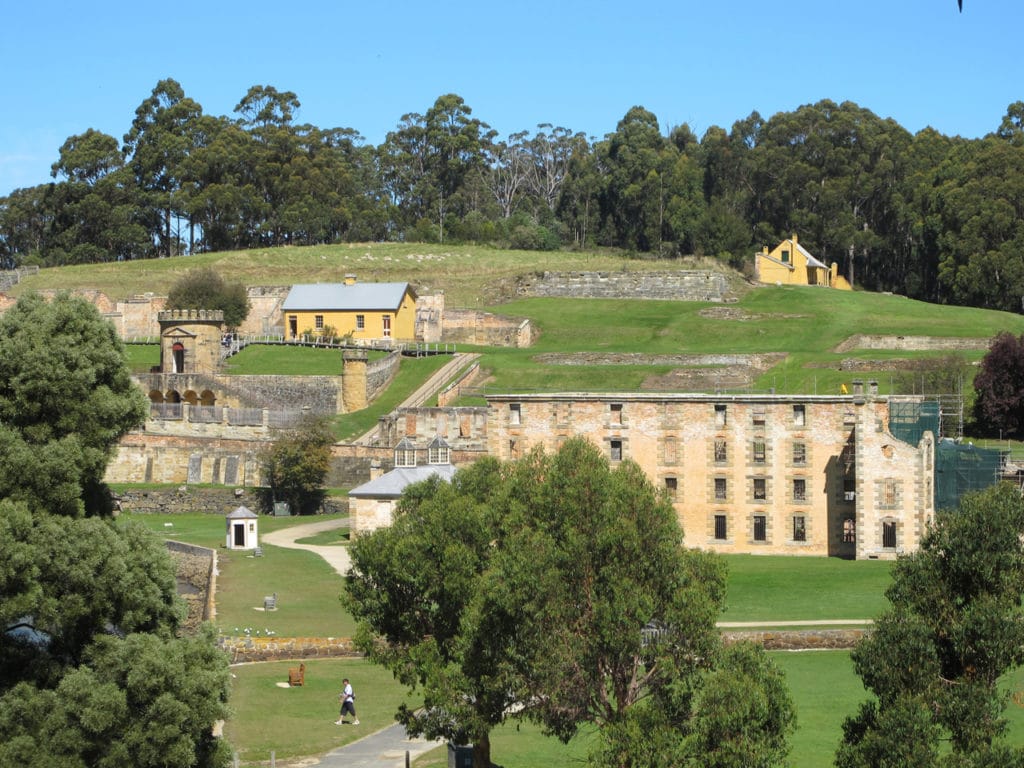
Port Arthur, located at the end of the Tasman Peninsula, is a historic site. You find the ruins of the penitentiary centre, chosen for its isolation, which has locked up the most dangerous criminals of the colony. As early as 1830, this site presented extremely difficult conditions of detention. Connected to the rest of the island by only a strip of land, Eaglehawk Neck, it was the perfect place to avoid prisoner escapes. Once a prisoner even tried to escape by putting on the skin of a kangaroo that he killed to deceive the guards!
Today, you can visit the ruins of the detention center. The penitentiary, a large building with beige walls was originally a flour mill that was converted into a prison. We then meet the ruins of the sinister hospital and those of the asylum (now a café).
Port Arthur will reveal to you the difficult living conditions of prisoners and the remarkable testimonies of the old prison.
Entry to the historic site is not free (ticket valid for 2 consecutive days): Pass 37 $ / pers includes access to the site with a guided tour and a boat tour from the port. You can choose activities such as the Ghost Tour (+ $ 25), Point Puer (+ $ 13).
If you want to take full advantage of the site, we advise you to take a Pass that include access to different activities (After Dark Pass for example).
You find more information about various tours on the Port Arthur website.
Mt Field National Park
This national park is particularly renowned for its beautiful mountains, rainforests, waterfalls, and wildlife. Situated only 80km north of Hobart, it is a perfect destination for a few days in nature.
At the Park Visitor Centre, you get a walking trail brochure. A short hike (20min) to Russel Falls (45m high) is accessible from the Visitor Centre.
Kingston
12km south of the capital, Kingston is part of the growing suburb of Hobart. This coastal town has a shopping centre and a nice beach, Kingston Beach.
You can also visit the Australian Antarctic Division, administering the land owned by the country on the polar zone, with a gallery explaining the expeditions, the flora and fauna of the Antarctic (Free – open from Monday to Friday)
Huon Valley
The Huon River was charted in 1792 by the French expedition of Rear Admiral Bruni d’Entrecasteaux, sailing with Huon de Kermadec — both of whom left their names across the region, along with the Huon pine.
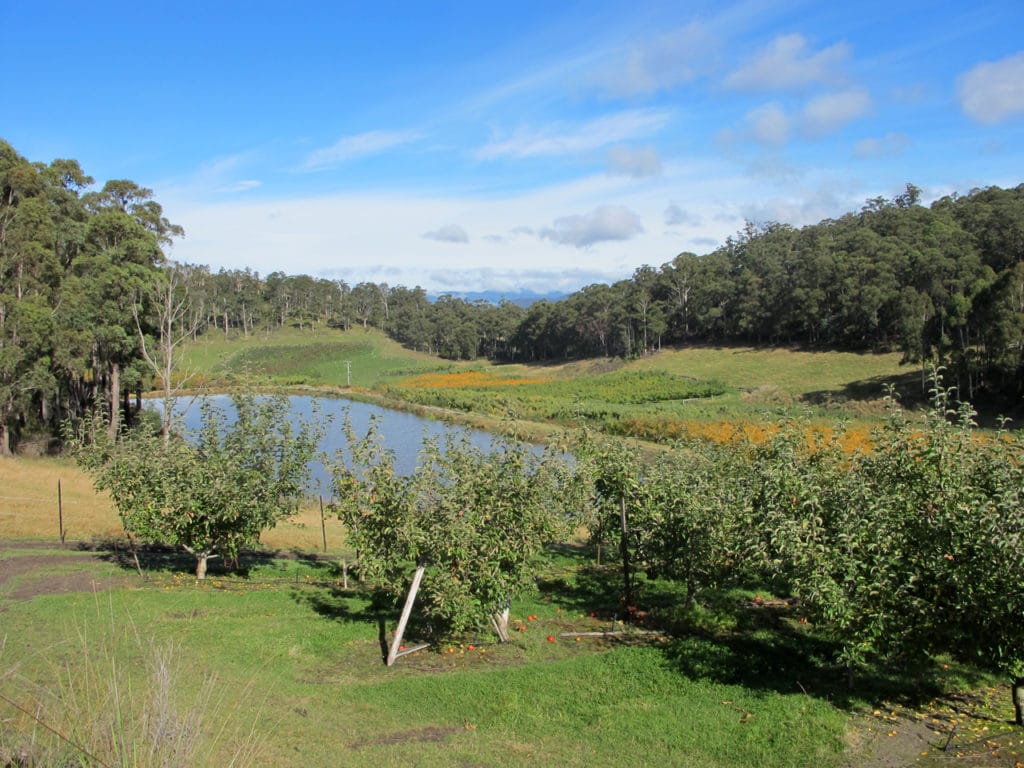
The main town, Huonville (around 2,000 people), is the base for exploring the valley: cider houses, the Tahune Airwalk, and some of the best produce in the state. Historically this was Australia’s apple heartland, and while growers have diversified into cherries, berries and stone fruit, the orchards are still everywhere.
🍎 One of the best fruit picking regions in the country
The Huon Valley is a serious option if you’re chasing your 88 days. The cherry harvest runs December to February and pays well, apples from March, and the whole of Tasmania counts as regional — so any farm work here qualifies for a second visa.