















Far North Queensland is a region of unparalleled natural beauty, home to ancient rainforests, stunning coral reefs, and rugged outback landscapes. This tropical paradise offers a diverse array of experiences for every type of traveler, from adventure seekers to those looking to unwind in nature’s serenity. Here are eight must-visit places in Far North Queensland that showcase the region’s unique allure.
Table of Contents
Mission Beach – Far North Queensland
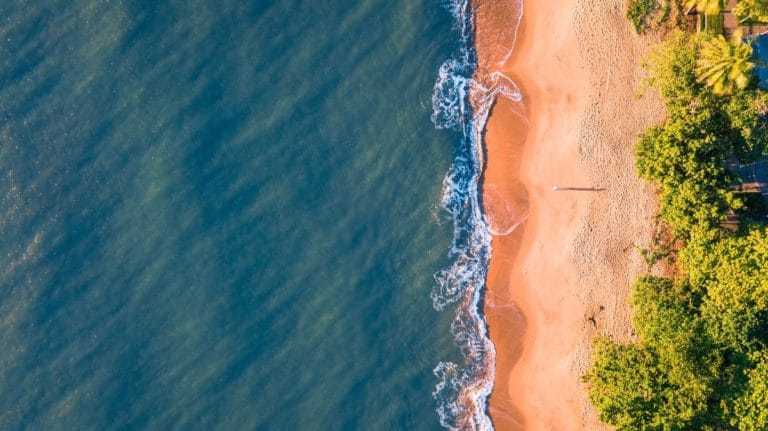
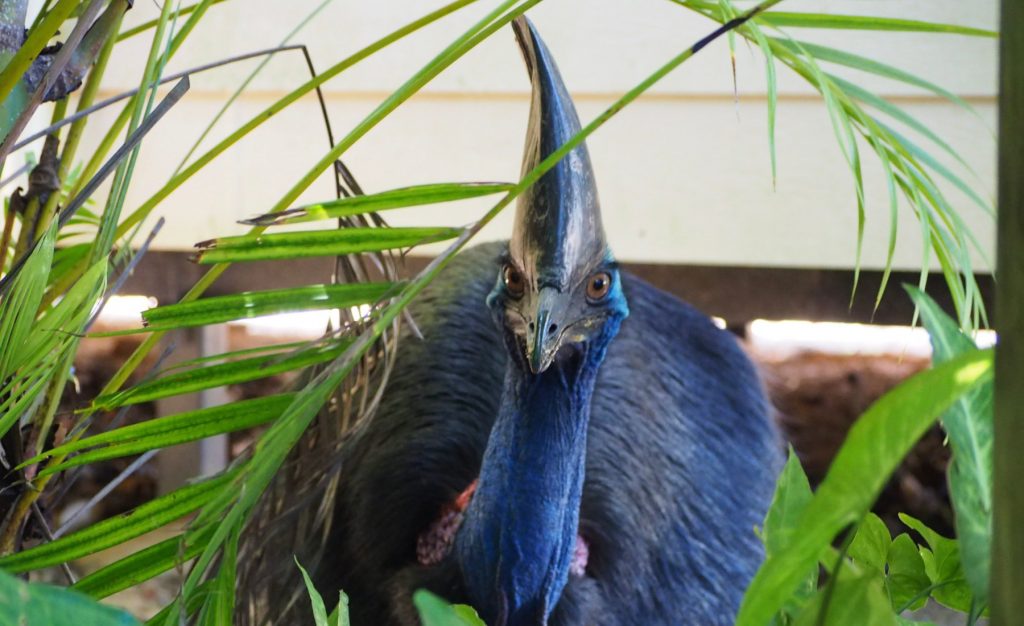
Mission Beach is a serene stretch of coastline flanked by the Great Barrier Reef and the Wet Tropics Rainforest. It’s known for its long sandy beaches, skydiving, and the nearby Dunk Island. Mission Beach is also one of the best places in Australia to spot the endangered Southern Cassowary in the wild.
Great Barrier Reef – Far North Queensland
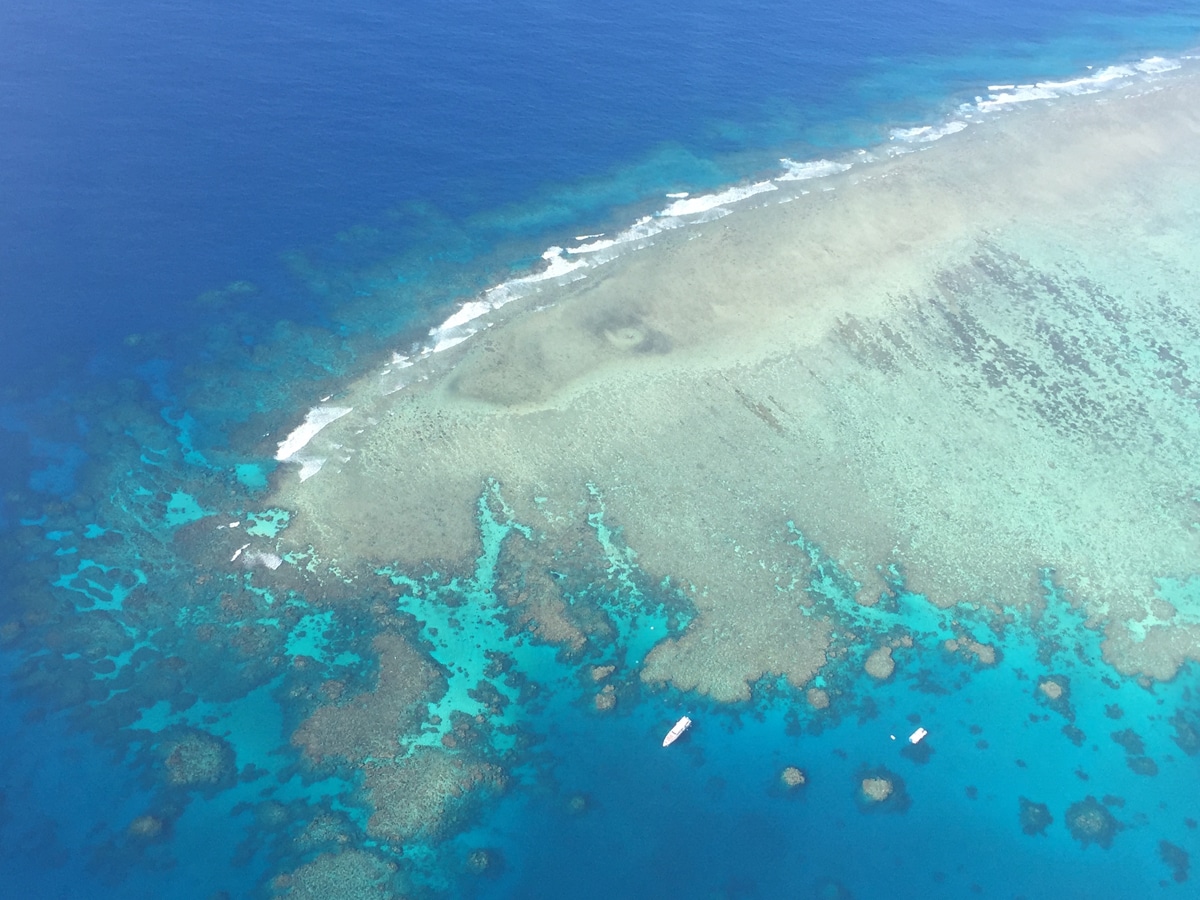
No visit to Far North Queensland is complete without exploring the Great Barrier Reef, the world’s largest coral reef system. This UNESCO World Heritage site is a haven for divers and snorkelers, offering vibrant coral gardens, diverse marine life, and crystal-clear waters. Whether you’re an experienced diver or a first-time snorkeler, the Great Barrier Reef promises an unforgettable underwater adventure.
Weird Wonder: Off Agincourt Reef you can literally step from coral to rainforest in under 10 m—no other place combines both ecosystems so closely.
Kurunda – Far North Queensland
Tucked behind Cairns in the Atherton Tablelands, the town of Kuranda is accessed via a steep windy road that takes you high into the hills above the beach. You can also take the 34km-long Kuranda Scenic Railway which links Cairns with Kuranda and goes through 15 tunnels. The journey time is 1 hour 45 minutes, you can purchase your tickets online.
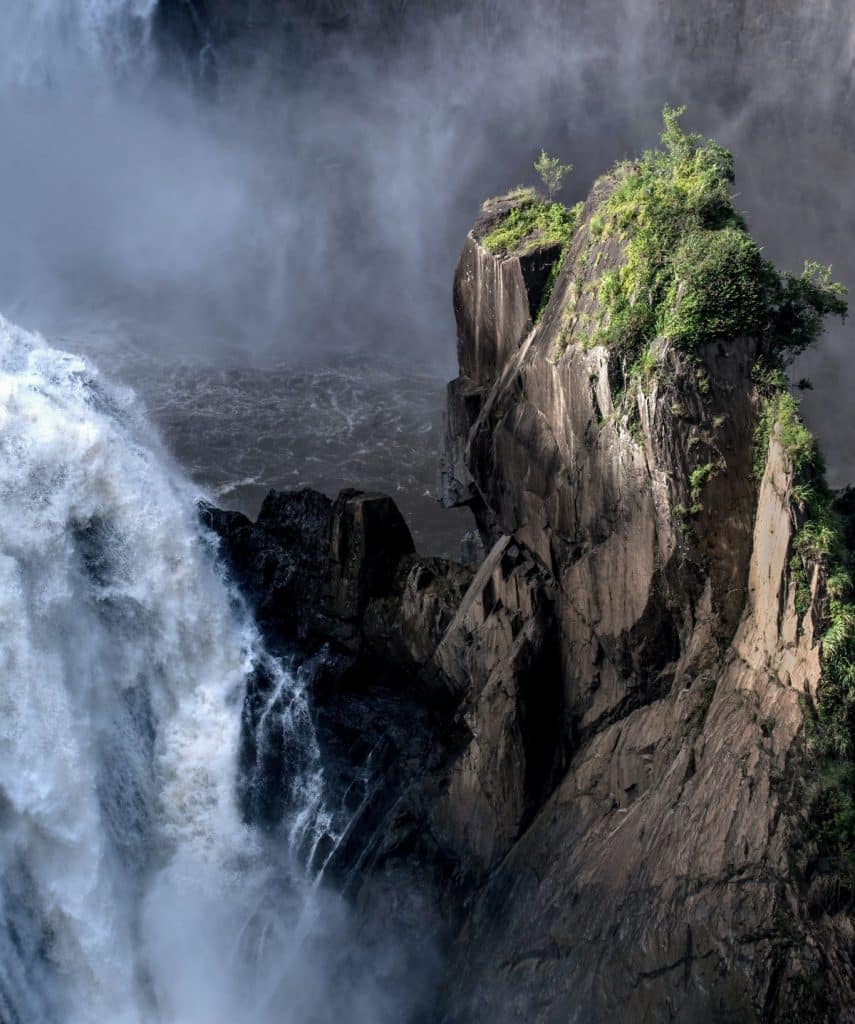
Kuranda is a fantastic location. There are great lookouts to enjoy from beneath the rainforest canopy. Famous attractions include the magnificent Baron Falls and the fabulous Kuranda markets (open daily). To get to the Baron Falls you can take the Sky Rail. It is the longest and most ecological cable car in the world, skimming the forest for 7.5km. It also stops at Red Peak.
- Highlight: The 2024-restored Barron Gorge lookout platforms, with glass-floor sections over the gorge.
- Practical Info: Combo Skyrail + Railway tickets save 15%. Trains run every 2 hours; book early for sunset rides.
- Unusual Tidbit: The rail was hand-built by 1,500 workers in 1891–91, carving 15 tunnels through solid basalt.
Atherton Tableland – Far North Queensland
Mareeba is the largest town in the Atherton Tablelands. It is an excellent place to base yourself when exploring the area around, which features some breathtaking scenery. It can also be a good spot to start tour research in a job if you are looking for one 🙂
From incredible rainforest walks, through to drives along rolling hills, this area is one of the prettiest areas not only in the whole of Australia. Cute historic towns are surrounded by crashing waterfalls and everywhere delicious locally-grown treats from cheese to chocolate can be sampled and purchased. Well worth exploring for a few days, make sure you allow plenty of time when it comes to seeing this part of Far North Queensland.
- Top Stops: Millaa Millaa Falls circuit (3 cascades in 20 km), Lake Eacham crater lake for swim & BBQ.
- Backpacker Hack: Use the Tablelands Tropical Trail map app for self-drive itineraries and free camping spots.
- Oddity: Lake Eacham is one of only two volcanic lakes in Australia that never stratifies—its waters overturn year-round, keeping it crystal clear.
🚐 Cheap Campervan Rental
All our tips & tricks for renting a cheap campervan in Australia! Practical hacks, online comparison sites, promo codes, and more.
Cairns – Far North Queensland
As the gateway to Far North Queensland, Cairns is a vibrant city known for its laid-back atmosphere, waterfront esplanade, and cultural attractions. Cairns serves as a base for exploring the Great Barrier Reef and the Wet Tropics of Queensland. Don’t miss the Cairns Botanic Gardens and the lively night markets.
- What’s New (2025): Redesigned boardwalk lighting and revamped free fitness stations along the waterfront.
- Useful Tip: Pick up a Cairns Discount Pass at the Visitor Centre for 10% off reef cruises.
- Offbeat Fact: Cairns sits on a 400-million-year-old granite ridge—parts of the CBD rest on Devonian coral deposits.

Port Douglas – Far North Queensland
Port Douglas is a charming coastal town that offers a more relaxed alternative to Cairns. It’s the perfect launching point for trips to the Great Barrier Reef and the Daintree Rainforest. Port Douglas also boasts beautiful Four Mile Beach, boutique shops, and fine dining options.
Daintree Rainforest – Far North Queensland
The Daintree Rainforest, another UNESCO World Heritage site, is the oldest continuously surviving rainforest on Earth—over 180 million years old. Visitors can explore this ancient ecosystem through guided walks, canopy tours, and river cruises. Highlights include the Mossman Gorge, Cape Tribulation, and the chance to spot unique wildlife like the cassowary.
New in 2025: Indigenous-run guided night walks highlighting rare Boyd’s forest dragons and cassowaries.
Cape Tribulation & Cooktown – Far North Queensland
The town of Cape Tribulation, also set within the Cape York Peninsula, is little more than a hamlet of hotels and hostels stretched along a beach. To get across to Cape Tribulation you have to catch the Daintree Ferry, but put in the effort to come this far north and you’ll be rewarded with a famously remote and idyllic destination..The ferry operates daily from 5am to midnight, it takes about five minutes to cross.
Starting near the very top of Far North Queensland is the community of Cooktown. It is the main access point and service area for Cape York. You’re getting really into the wild out here. From incredible 4WD tracks to awesome lookouts, even the museum here is brilliant. Steeped in history, with remote and incredible scenery all around, Cooktown is definitely worth a visit.
- Travel Tip: Only 4WD vehicles are allowed north of Bloomfield Crossing after heavy rains—check river heights online.
- Strange but True: Cooktown’s “Hot Lane” stretch routinely hits 45 °C in summer, making it Australia’s unofficial road-surface thermometer.
Why Far North Queensland in 2025?
- Breathtaking Biodiversity: From ancient rainforests to the world’s largest coral reef.
- 60% World Heritage—Dual Listing: Both the Great Barrier Reef and Wet Tropics Rainforest are UNESCO sites.
- Infrastructure Upgrades: New sealed coastal roads (Bloomfield Track improvements) and upgraded visitor facilities at key parks.
- Cultural Revival: Expanded Indigenous-led tours (Djabugay, Kuku Yalanji) offering authentic Dreamtime storytelling.
Tips for Visiting Far North Queensland
Some attractions, especially the Great Barrier Reef and Daintree Rainforest, are best experienced with guided tours. Book in advance to secure your spot.
Far North Queensland’s ecosystems are delicate. Follow guidelines, stick to marked paths, and take only photos. Respect the nature.
Prepare for the Tropics, FNQ’s tropical climate means hot, humid summers and mild, dry winters. Pack accordingly and stay hydrated.
While the reef and rainforest are the main draws, Far North Queensland’s inland areas offer unique landscapes and experiences worth exploring.
Best Season to Visit
Shoulder Seasons (April–June & September–November):
Weather: Warm days (24–30 °C), low humidity and fewer midges.
Benefits: Quieter parks, better visibility on reef trips, and lower accommodation rates.
Avoid: December–February (monsoon rains, stingers in coastal waters) unless you’re chasing dramatic waterfalls.







Just letting you know that you mispelled one of your headings.. “Great Barrier Reed,” instead of; “Great Barrier Reef.”