














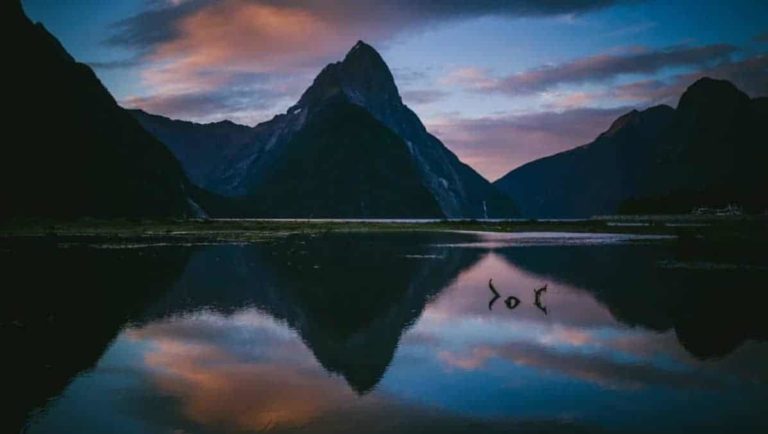
New Zealand is a beautiful country with diverse landscapes and a number of things to do for both adults and children. Whether you choose to explore the North Island or the South Island, you will be amazed by the beauty of this country. Traveling with children in New Zealand can be a delightful and rewarding experience. The country offers diverse landscapes, family-friendly activities, and excellent facilities to make your journey enjoyable and stress-free.
Table of Contents
Planning & Entry Requirements
Visa & Entry Rules for Kids
- Australian children: Do not need a visa or NZeTA—entry is visa-free thanks to the Trans-Tasman travel arrangement.
- Children from visa-waiver countries: Must have their own NZeTA and complete a New Zealand Traveller Declaration (NZTD)—each traveler, including infants, requires one.
- Non-waiver nationalities: Need to apply for a Visitor Visa for children, typically through Immigration NZ’s online system.
The visitor levy applies to children too
Budget for the International Visitor Conservation and Tourism Levy (IVL), which rose from NZ$35 to NZ$100 per person on 1 October 2024. It is paid at the same time as the NZeTA or visitor visa application, and there is no age-based exemption — if your child needs their own NZeTA, they pay the full levy.
For a family of four from Europe or North America, that is NZ$400 in levies on top of the NZeTA processing fees, before you have booked anything. The levy is non-refundable, even if the application is declined.
Australian citizens are exempt from both the NZeTA and the IVL. Australian permanent residents need the NZeTA but not the levy. Everyone travelling, including infants, also needs their own New Zealand Traveller Declaration, which is free.
Child Visitor Visa (if applicable)
- Offers up to 9 months stay for dependent children of New Zealand citizens/residents.
- Allows up to 3 months of study during the visit.
- Application fee: ~NZD 341, with 80% processed within 3.5 weeks.
Best Season to Travel to New Zealand
New Zealand’s climate varies across its regions, but generally, the best time to visit is during the summer months (December to February) when the weather is warm and conducive for outdoor activities. Spring (September to November) and autumn (March to May) are also good times, offering mild weather and fewer tourists.
During the month of January, it is school holidays in New Zealand. Therefore, prices are higher (peak season) and there is less availability for hotels, rental etc.
Renting a vehicle in New Zealand
Traveling around New Zealand with children is convenient due to the country’s well-developed infrastructure. Renting a car or campervan is a popular choice, providing flexibility and comfort. Ensure you have appropriate child car seats as required by law. Public transport options like buses and trains are also available and can be a fun way to explore the cities.
Renting a car in New Zealand
A car means booking accommodation ahead, which locks in your route. Budget NZ$200 to 280 a night for a family room in 2026, plus eating out, since you won’t have a kitchen. You will also unpack and repack the boot every single day, which wears thin quickly with young children.
That said, a car is genuinely easier to drive on New Zealand’s narrow, winding roads, and you get far more living space at night than any campervan offers. It is usually the better choice in winter, when a heated hotel room beats a cold van, and for families with a baby who needs a predictable sleeping environment.
Renting a motorhome in New Zealand
Renting a motorhome allows you to move at your own pace in a small house. This mode of transport offers you a lot of flexibility. If you like a place, you can to stay longer, or if you run out of time, you can change your travel route. In motorhomes, you have everything at hand and you don’t need to empty the trunk every night. Depending on the vehicle you choose, you have a small kitchen, a bathroom with toilet and shower, and a real bed. Once your fridge is packed, you can hit the road. The price of renting a motorhome is also cheaper than the combination of car rental and hotels plus restaurant meals.
Regarding the choice of the camper, remember to make sure that you can access the rear of the vehicle from the cabin. Some vehicles have a separating wall, so you have to stop and get outside to access the living area.
Check the self-containment certification before you book. Since 7 June 2026, the old blue warrant is void and only the green warrant card allows freedom camping — and it now requires a permanently fixed toilet, which rules out many smaller campervans. Fines start at NZ$400. Ask your supplier to confirm in writing that your specific vehicle holds a current green warrant. With children, this matters twice over: without it, you are restricted to holiday parks and DOC campsites, which changes your nightly budget.
Child car seats
In New Zealand, an approved child restraint is legally required until a child’s 7th birthday, and strongly recommended until they reach 148 cm. The only exceptions are taxis and shuttles where no restraint is available.
Good news if you are bringing your own seat: New Zealand accepts several standards, the Australian/New Zealand standard AS/NZS 1754, the European standard (E mark) and the American standard (S mark). This is more permissive than Australia, which accepts only AS/NZS 1754 and rejects European and American seats outright, ISOFIX included. If your trip covers both countries, a European seat is legal in New Zealand but not across the Tasman.
Rental companies hire out seats and capsules, including rear-facing capsules for babies, but stock is limited and they must be booked in advance rather than requested on arrival. Expect around NZ$10–15 per day, sometimes capped per rental or included depending on the insurance option you choose.
Two practical points. Rental seats are often older models with firm padding if comfort matters over a three-week trip, consider hiring from a specialist baby equipment company instead. And rental companies will usually ask you to fit the seat yourself for liability reasons, so make sure you know how before you are standing in a car park with a tired toddler.
Family-Friendly Activities in New Zealand
North Island
Auckland
Auckland is the largest city in the country, where you probably arrive in. Visit the Auckland Zoo, Kelly Tarlton’s Sea Life Aquarium, and Rainbow’s End Theme Park. The city’s parks, such as Cornwall Park and Auckland Domain, offer plenty of space for children to run around. From here, you can explore the north of the island, a cultural and spiritual mecca for the Maori people. Enjoy beautiful beaches, small coves and islands, and giant Kauri forest.
Rotorua
Rotorua is famous for its geothermal activity and Maori culture. Explore the geothermal parks, enjoy a family-friendly mud bath, and experience a traditional Maori hangi feast. Don’t miss the Agrodome, where children can interact with farm animals.
Hobbiton
For fans of “The Lord of the Rings” and “The Hobbit,” a visit to the Hobbiton Movie Set near Matamata is a magical experience. The guided tours are family-friendly and bring the fantasy world to life.
South Island
Discover lakes in breathtaking colors, glaciers, fjords, snow-capped mountains, beautiful beaches, and vineyards on the South Island.
Queenstown
Queenstown is known for adventure activities, but it also offers family-friendly fun. Enjoy the Skyline Gondola, the Kiwi Birdlife Park, and family cruises on Lake Wakatipu. In winter, the ski resorts have facilities and lessons for children.
From there, you can go exploring the fjords from Te Anau to Milford Sound. A UNESCO World Heritage Site, Milford Sound is one of the most visited places in the country. Go hiking or on a boat or canoe tour to see dolphins, whales, and seals.
Another great place to see wildlife is the Otago Peninsula, near Dunedin. This peninsula is famous for its colonies of albatrosses, seals, and penguins.
Christchurch
Christchurch offers plenty for families: the Botanic Gardens, Willowbank Wildlife Reserve and Orana Wildlife Park, plus the International Antarctic Centre with its interactive exhibits and Hägglund rides. From Christchurch, most families head either south towards Lake Tekapo and Mount Cook, or west across the Southern Alps via Arthur’s Pass to reach the West Coast and the Franz Josef and Fox glaciers. Allow a full day for the crossing, it is spectacular but slow, and the road is winding.
Abel Tasman National Park
This national park is ideal for families who love the outdoors. Enjoy easy coastal walks, kayaking, and swimming at the beautiful beaches. Guided tours are available and suitable for children.
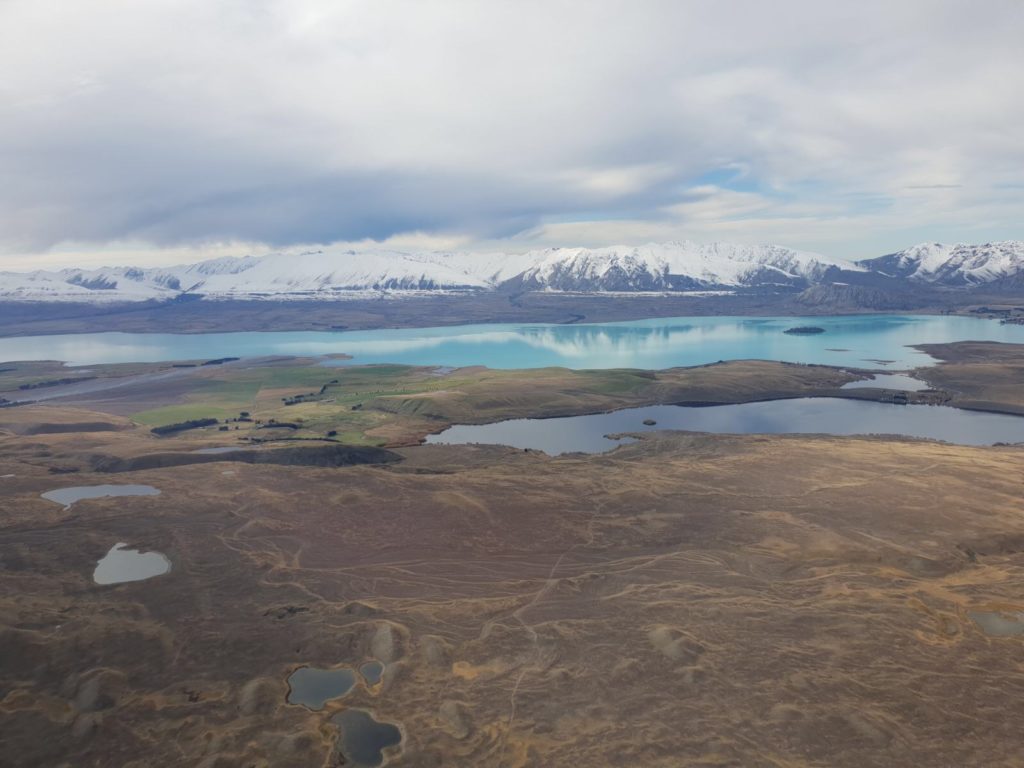
Then head for Wanaka or Hawea lakes, which are really worth seeing. The autumn colors of the trees lining the crystal clear water make the landscapes look stunning.
Practical Tips
Health and safety
New Zealand is generally safe for travelers, but it’s essential to take standard precautions. Ensure you have travel insurance that covers medical emergencies. Pack a first aid kit, sunscreen, hats, and insect repellent.
Food and dining
New Zealand has a diverse food scene with many family-friendly restaurants and cafes. Supermarkets and local markets are excellent places to stock up on snacks and essentials. Many accommodations have kitchen facilities, allowing you to prepare meals if needed.
Packing essentials
Pack appropriate clothing for New Zealand’s variable weather, including layers, waterproof jackets, and comfortable shoes. Don’t forget essentials like medications, favorite toys, and travel documents.
Renting a motorhome
If you opt for the camper option, go for a larger model. Then you can leave the car seats in without having to put everything away to make the bed every night. For example, in a 6-seater, you could set up a permanent bed at the back and use the car seats in the front also as high chairs at the table.
Take into account the ages of your children and plan your itinerary accordingly. Make sure to include plenty of stops along the way for rest, food, and entertainment.
Flying with Kids
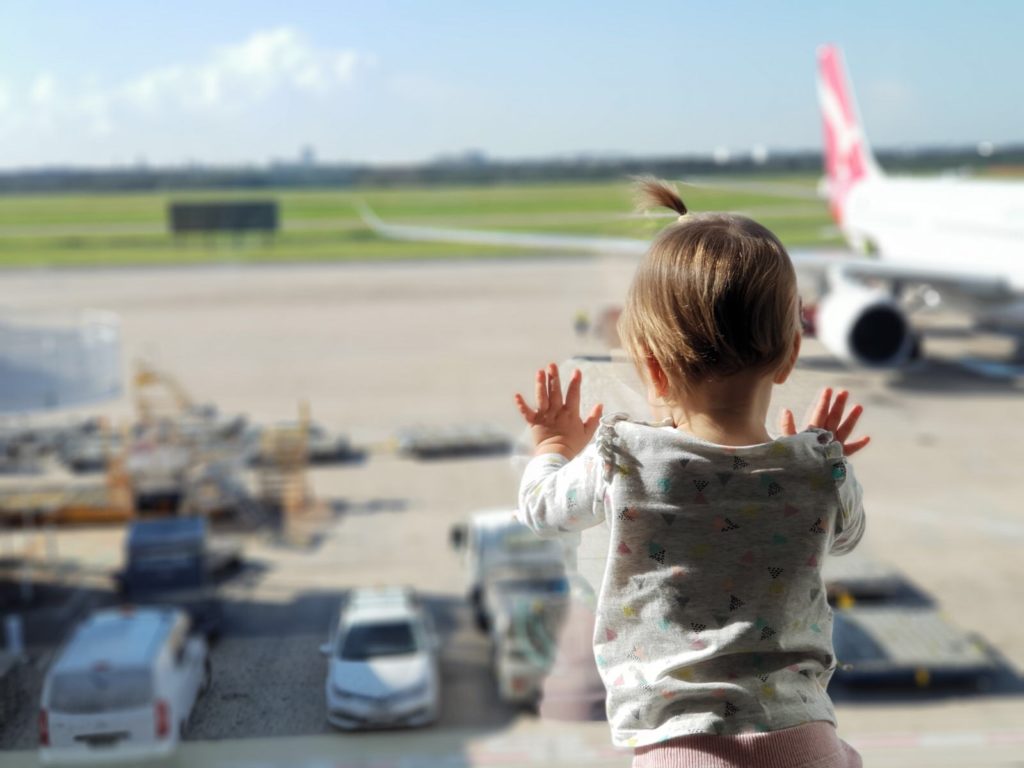
The flight from Europe to New Zealand is long, at least 24 hours with one or two stops. So pack things that keep your children entertained during the flight. For the little ones take books, music games etc. For older children, the in-flight entertainment program covers children’s movies and games for all ages.
Plan to arrive in New Zealand in the late afternoon or evening. This will allow the children to recover during the night and overcome the jet lag more easily.
Airlines generally allow you to carry more in your carry-on luggage than normal (sterilized water, juice, milk, etc.). You can also take your stroller, car seat, or baby carrier with you for free. Remember to double-check these things with your airline before you leave.
If you decide on the car + hotel option, many hotels have apartments equipped with kitchens and play areas for toddlers.
Finally, on the road, you find public toilets that are well maintained and have baby change units.
Kid-Friendly Stops
New Zealand has plenty of outdoor activities suitable for children of all ages, such as hiking, kayaking, and swimming. There are also plenty of indoor activities like museums and amusement parks.
You find playgrounds in every city, that are more or less modern depending on where you are. This gives children the opportunity to play and stretch before going on the road.
Visit zoos or wildlife parks or go on a cruise on one of the lakes to see a whale, seal or penguin.
You also find a number of museums, for which the entrance is generally free for small children.
With older children, wildlife encounters are the highlight. Note that swimming with dolphins is prohibited in the Bay of Islands — the Te Pēwhairangi marine mammal sanctuary bans it entirely, including from private boats, after the local bottlenose population collapsed from around 270 in 1999 to fewer than 30. Dolphin-watching cruises still run there, on restricted hours.
Where you can still swim with dolphins is Kaikōura on the South Island, which is also the country’s best whale watching destination, along with Akaroa and the Bay of Plenty. Elsewhere, horse riding tours are available almost everywhere and work well for children, and a scenic helicopter flight over the glaciers is the memorable splurge if the budget allows.